

Fast, Reliable Mold Remediation Across Buffalo
Mold remediation in Buffalo, MN typically costs $1,800-$6,500 depending on the square footage affected and where the moisture source lives. Most Buffalo jobs we handle are finished in 3-5 days once containment is set. If you’re seeing black spots along baseboards near Buffalo Lake, or that musty smell in a finished basement off County Road 35 won’t go away, call (888) 861-1852 and a live person answers, any hour.
We know Buffalo’s houses because we’ve worked inside them for years: 1990s tract homes with low-pitched roofs, early-1900s lake cottages near the South Fork of the Crow River, walkout basements that flirt with the water table every April. That local knowledge changes how we find mold and how we keep it from returning. Done right, and backed in writing.
Why Floodline Restoration Co. of Minneapolis Is Buffalo’s Preferred Mold Remediation Company
Buffalo homeowners tend to call us after they’ve already lived with a problem too long. Maybe a sump pump gave out during spring snowmelt and water sat behind baseboards for a week before anyone noticed. Maybe an ice dam on a 1990s roofline sent meltwater into the attic insulation in January and nobody saw the mold until May. By the time we arrive, the concern is rarely “is there mold” - it’s “how far has it spread, and will it come back.”
Our crews in Buffalo are background-checked, uniformed, and trained to IICRC, RIA, and IFA standards. The same team that sets containment and runs negative air on day one handles the moisture readings, logs daily data, and hands a written dry standard to you and your adjuster. Curt Bowman founded this company in 2010 around a dispatch board, not a sales desk. When you call at 2 a.m. about a Buffalo lake-home basement, a live dispatcher picks up. Not a recording.
Homeowners in Wright County have reason to be skeptical of contractors. We earned trust here by doing what we said, showing up when we said, and putting the 90-Day Done Right Promise in writing. If the mold isn’t done right, we make it right. No paperwork battles.
Our Mold Remediation Services in Buffalo
Mold Inspection & Testing
A mold inspection in Buffalo runs $300-$650 and includes a visual survey, moisture mapping with professional meters, and air or surface sampling when the situation calls for it. On lake-tier basements near Buffalo Lake, we inspect the wall-floor joint, the sump basin, and the rim joist - those are the three places hydrostatic pressure pushes moisture first. You get a written report that tells you what we found, what it means, and what we’d do about it. No obligation.
Mold Removal
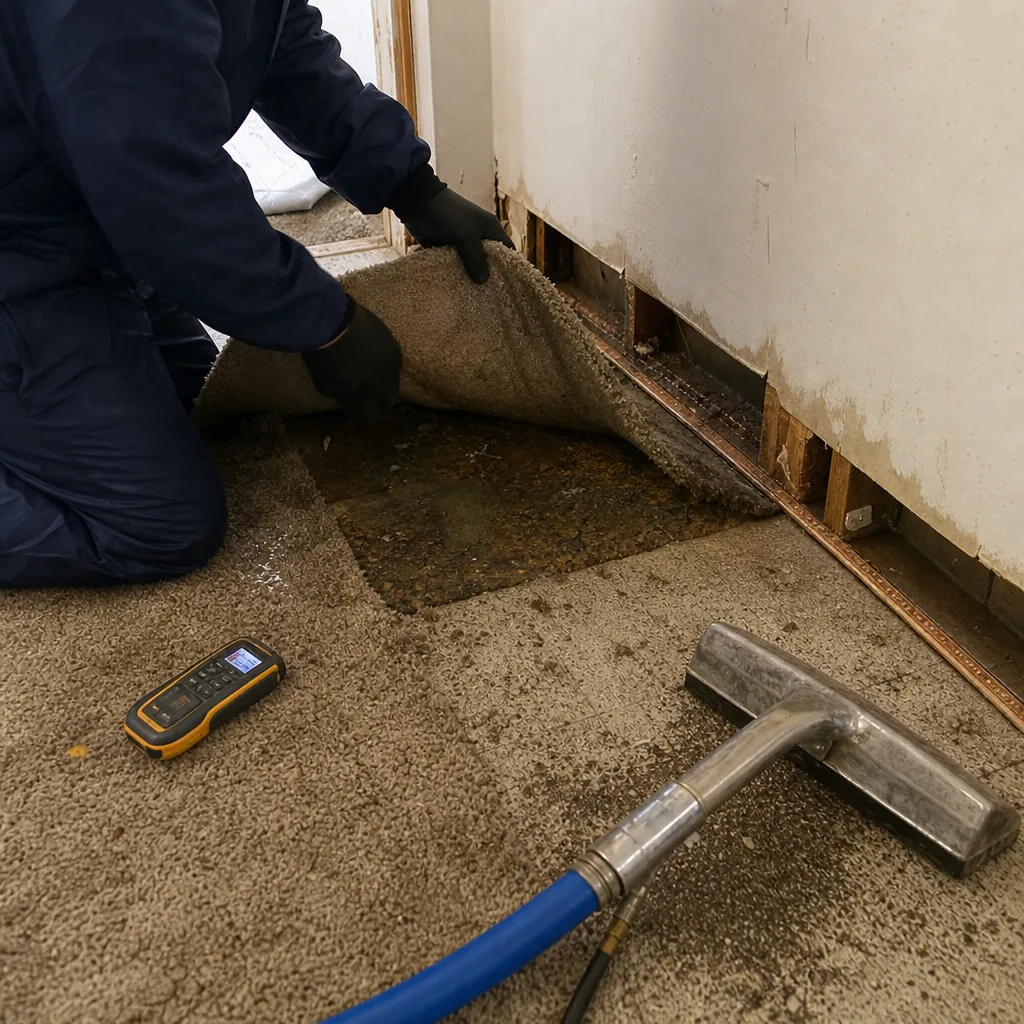
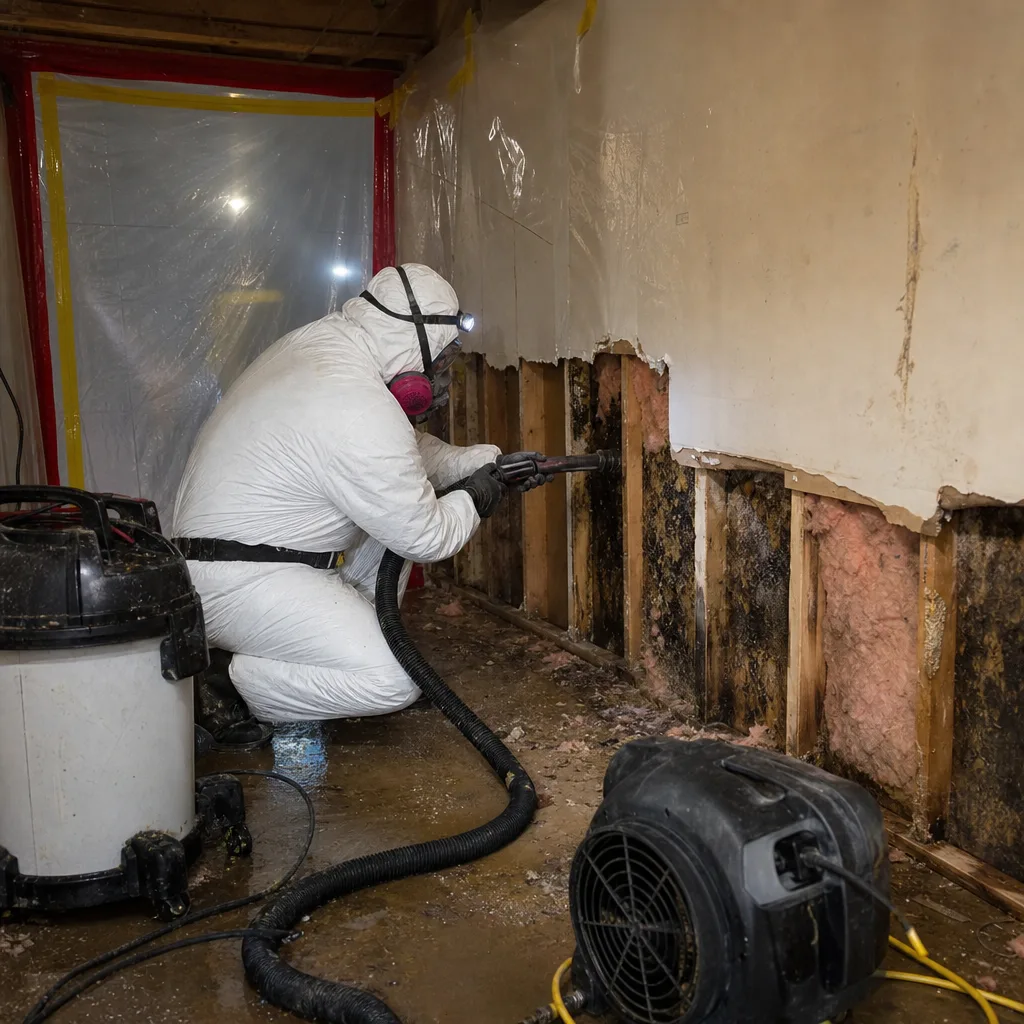
Mold removal in Buffalo runs $1,500-$4,500 for a typical single-room job and climbs when we’re looking at multiple rooms or finished basement wall cavities. We set HEPA air scrubbers, remove affected drywall and insulation, and treat the framing with an EPA-registered antimicrobial before rebuilding with mold-resistant gypsum board. Our Mold Remediation team uses Dri-Eaz and XPOWER equipment sized for the space, not whatever fits through the door.
Black Mold Remediation
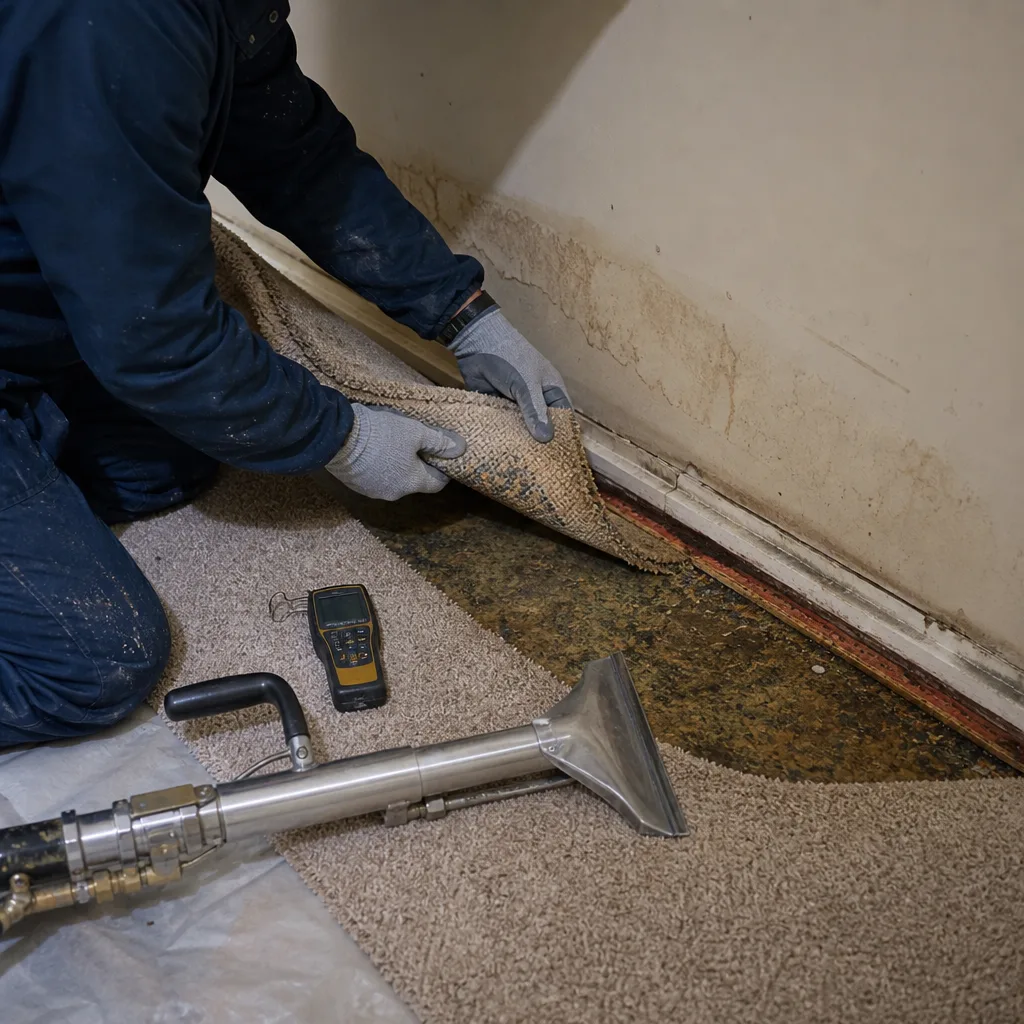
Black mold is the call we get most often from Buffalo homeowners who’ve peeled back a baseboard after a spring flood. The species matters less than the moisture source - Stachybotrys only thrives where wood and drywall stay wet for days - but the remediation protocol is the same regardless: contain, remove, dry, treat, rebuild. In Buffalo, black mold in finished lake-home walkout basements almost always traces back to hydrostatic pressure through block walls or floor joints. We find the source and fix it so the mold doesn’t get a second life.
Air Quality Restoration
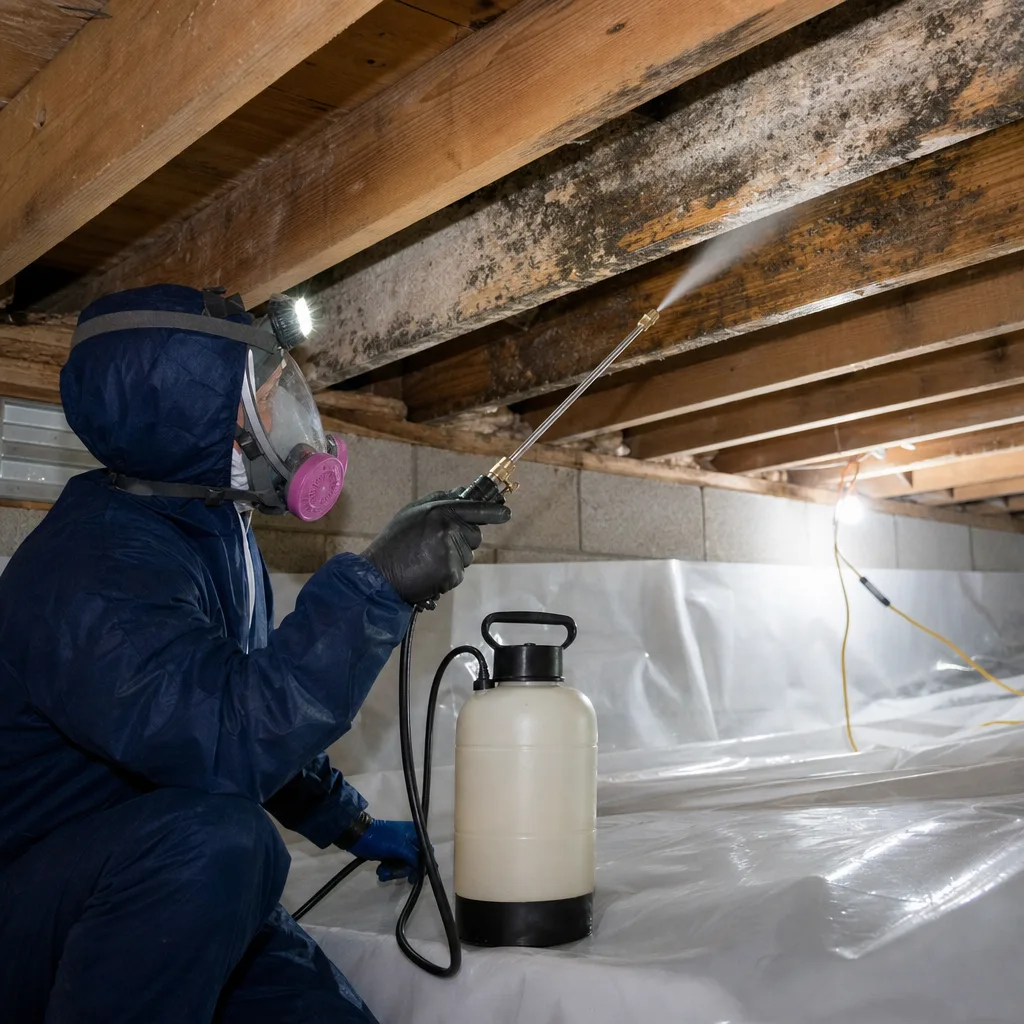
After remediation, Buffalo homeowners often ask about the air in their home. We run HEPA air scrubbers and can provide post-remediation verification sampling to confirm spore counts have returned to normal indoor levels for your home’s environment. That’s especially relevant in 1990s Buffalo subdivision homes where forced-air HVAC systems spread mold spores room to room before anyone saw a single spot. In most cases, a single visit handles the worst of the airborne load.
What happens when you call
- 1
A real person answersNo phone trees - you reach a local pro.
- 2
You get an upfront price rangeHonest numbers before anyone is dispatched.
- 3
A background-checked tech heads outLicensed & insured, dispatched right away.
- 4
You approve before work beginsNothing starts until you say go.
Trusted Brands We Service in Buffalo
Floodline Restoration Co. carries equipment and parts for the brands Buffalo homeowners already have in their homes: XPOWER, B-Air, Injectidry, and the Dri-Eaz and Phoenix units we run on every job. We stock common filters, hoses, and sump basin replacements for Buffalo’s aging housing stock so we don’t lose a day waiting on a part from the Twin Cities. Our technicians are trained on Injectidry drying systems for the hard-to-reach wall cavities behind Buffalo’s finished basements and lake-tier lower levels. When we say we’ll be there when we say, we mean we have what the job needs in the truck.
Common Mold Remediation Problems We See in Buffalo Homes
- Sump pump failures in 20-35-year-old tract homes. The pumps installed during Buffalo’s 1990s exurb boom are hitting end of life, and when they fail during spring snowmelt, groundwater rises faster than a standard unit can discharge. The result is a finished lake-tier basement sitting wet for days, with mold forming behind baseboards long before anyone sees it.
- Ice dams on low-pitched 1990s rooflines. Buffalo’s January and February partial thaws send meltwater under shingles and into attic insulation. The mold that forms there goes unnoticed until spring inspections, and by then it’s had months to spread through ceiling joists.
- Hydrostatic pressure on block foundations near Buffalo Lake. When Buffalo Lake and the South Fork of the Crow River rise in spring, saturated soil pushes water through cracks and floor joints in a pattern our techs see almost every April. Standard air drying won’t resolve this; without interior drain tile or injection, the moisture comes back next year.
- Finished wall cavities hiding mold for months. In Buffalo’s lake-home walkout basements, homeowners frame and drywall right up to the concrete. When water seeps in through the wall-floor joint, it sits inside that cavity, feeding mold growth well before it’s visible. By the time we’re called, the affected area is often twice the size of the visible staining.
Pricing for Mold Remediation in Buffalo, MN
Here’s what Buffalo homeowners should expect for the most common jobs:
- Mold inspection and testing: $300-$650
- Single-room mold removal: $1,500-$4,500
- Finished basement mold remediation: $4,000-$8,500
- Crawl space mold treatment with moisture control: $2,500-$6,000
- Post-remediation air scrubber and verification: Included in remediation or $450-$900 as a standalone air quality treatment
What moves the price in Buffalo is the age of the house, whether we’re pulling drywall from a 1990s subdivision home or a 1900s lake cottage, and whether the moisture source is an ongoing one like hydrostatic pressure from Buffalo Lake or a one-time event like a sump failure that’s already been replaced. Every quote is in writing before work starts. Call (888) 861-1852 for a free estimate. The $50 Off Any Repair Over $250 and Senior & Veteran 5% discount always apply.
We Also Serve Cities Near Buffalo
Our crews regularly handle mold remediation in Buffalo, and we serve the surrounding Wright County communities as well: Monticello, Saint Michael, Delano, Albertville, and the lake and river corridors that connect them. If you’re anywhere in the area with a musty basement and a moisture problem you can’t identify, call the same number and we’ll route a crew from our Minneapolis-St Paul office to you. Most Buffalo-area calls get a same-day or next-day visit.
Serving Buffalo, MN - Our Local Coverage Area
We’re based in the Buffalo area and know this community well. Use the map below to see our service coverage - if you’re nearby, we can almost certainly help.
FAQs - Mold Remediation in Buffalo
Buffalo’s basements flood every April because spring snowmelt saturates the ground around Buffalo Lake and the South Fork of the Crow River, pushing groundwater up against block and poured foundations faster than standard sump systems can discharge - which is why we also offer Buffalo Storm & Disaster Restoration for widespread events. The water enters through cracks and floor joints, saturates finished lower levels, and creates ideal conditions for mold behind drywall and baseboards. If you see staining or smell mustiness in your lake-tier basement any April, call (888) 861-1852 for an inspection before the problem spreads.
Homes in the South Fork of the Crow River corridor deal with periodic spring flood surges that leave silt, standing water, and sometimes Sewage Cleanup in Buffalo situations, plus elevated indoor humidity for days after the water recedes. Mold grows readily in that window, particularly inside wall cavities and under flooring that never fully dried. Post-flood homeowners should get a professional mold inspection even when the water only reached an inch or two - hidden moisture is the bigger risk.
Yes. Buffalo’s late-1990s and early-2000s subdivisions have low-pitched rooflines that develop ice dams during January and February partial thaws. The meltwater pushes under shingles and into attic insulation, where mold grows unnoticed until spring. Those homes are also at the age where original sump pumps, roof membranes, and below-grade waterproofing fail simultaneously - a combination that makes hidden mold after winter a known pattern we see every year.
The walkout basements facing Buffalo Lake almost always generate the same kind of growth when water enters: Stachybotrys (black mold), Aspergillus, and Penicillium. The species depends on the substrate; black mold prefers constantly wet drywall and wood, while Aspergillus and Penicillium colonize damp carpet and ceiling tiles. A lab test confirms which you’re dealing with, but the remediation approach is the same regardless: remove the affected material, fix the moisture source, and dry to a written standard.
It can, and in Buffalo’s lake-adjacent soil it usually does if the crawl space isn’t sealed and conditioned. Crawl spaces under 1990s and early-1900s Buffalo homes sit above soil that stays saturated through spring, and unless we install a vapor barrier, seal vents, and control the humidity with a dehumidifier rated for the space, mold returns within a season or two. We treat the existing growth and the underlying moisture problem together, then we give you a written warranty. Call (888) 861-1852 to talk through your crawl space.
Buffalo’s Lake-and-River Water Problem Changes How We Remediate
Here’s what separates mold work in Mold Remediation in Buffalo from work in, say, St. Michael ten miles east. Buffalo sits directly on Buffalo Lake and near the South Fork of the Crow River, and that geography creates two distinct moisture threats. Lake-adjacent homes with finished walkout basements are fighting the water table itself. When spring snowmelt raises Buffalo Lake, hydrostatic pressure pushes water through block walls and the floor-wall joint in a rhythm we see nearly every April. Standard air drying resolves nothing without addressing the source.
River-corridor properties face a different attack: seasonal flood surges that bring silt, debris, and standing water into lower levels, then recede and leave behind elevated humidity that hides inside wall cavities for weeks. The mold that forms there often isn’t visible until someone pulls back a baseboard. Our crew was called to a 1990s-era subdivision home near Buffalo Lake after a January ice dam forced meltwater behind the vinyl siding, saturating the wall cavity and feeding mold growth in the master bedroom closet - a case that didn’t need Biohazard & Crime Scene Cleanup - Buffalo level response, but still required full remediation. We set up a Dri-Eaz LGR 7000XLi dehumidifier and HEPA air scrubber, removed the affected drywall, treated the framing with an EPA-registered antimicrobial, and rebuilt the wall with mold-resistant gypsum board. The homeowner also got a referral for roof raking and insulation upgrades to prevent a repeat next winter.
That dual-threat environment is why we emphasize Mold Inspection & Testing, Moisture & Humidity Control, and Crawl Space Treatment on Buffalo jobs. You can’t remediate what you haven’t found, and in a city where the water is always close, finding the moisture source before it feeds a second mold bloom is the whole game.
Call Floodline Restoration Co. for Mold Remediation in Buffalo, MN
If you suspect mold in your Buffalo home - whether it’s a musty basement near Buffalo Lake, a water stain on a 1990s subdivision ceiling, or a crawl space that never seems dry - call (888) 861-1852. A live person answers, day or night, and we’ll schedule a free estimate with a background-checked, uniformed technician. You get a written scope of work before anyone opens a wall. You get direct insurance billing. And you get the 90-Day Done Right Promise in writing. That’s the square deal.
Written by Curt Bowman, Owner at Floodline Restoration Co., serving Buffalo, MN and surrounding Wright County communities.