

Trusted Water Damage Restoration for Minneapolis Homeowners
Water damage in Minneapolis moves fast. A burst supply line can release eight gallons a minute, and by the time you notice the stain on the ceiling, water has already wicked into drywall, under baseboards, and down into the subfloor. Floodline Restoration Co. has answered calls from Minneapolis homeowners for over 42 years, with certified technicians who arrive the same day and start extraction that same visit. If water is spreading through your home right now, call (888) 861-1852 and you’ll reach a live dispatcher, not a recording, any hour of the day or night.
What Our Water Damage Restoration Service Includes
Every water damage job in Minneapolis is different, but the goal is always the same get the structure dry, stop secondary damage, and leave you with a written record of what was done. Here’s what we handle, start to finish.
Emergency Water Extraction
Standing water is doing more damage every minute it sits. That’s why our 24 Hour Water Damage Restoration in Minneapolis, MN crews arrive with truck-mounted extraction units and portable extractors rated for hundreds of gallons per hour, pulling water from carpet, hardwood, and concrete before it reaches wall cavities and subflooring. In Minneapolis homes with finished basements, this first hour often determines whether drywall can be saved or cut. We won’t leave until the standing water is gone and the floor is no longer squelching underfoot.
Structural Drying & Dehumidification
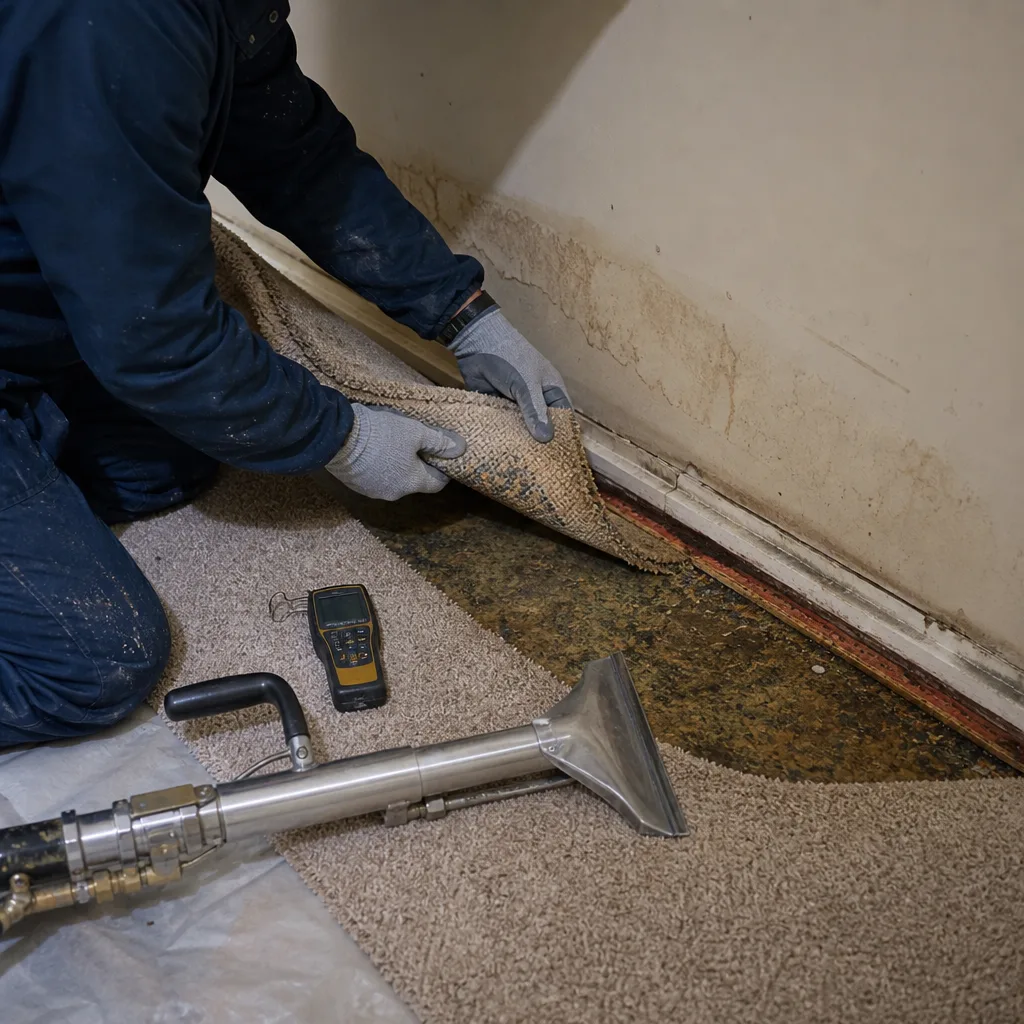
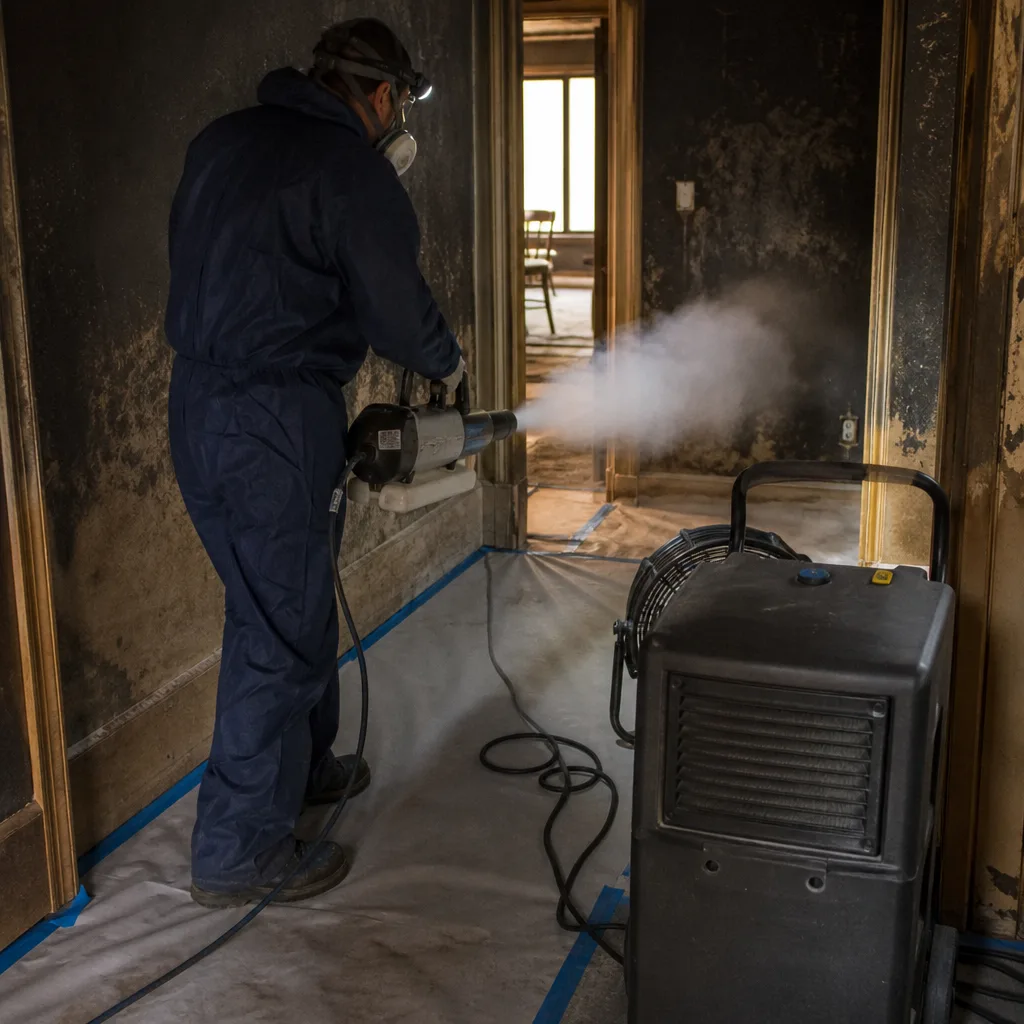
Extraction only removes what you can see. The water inside wall cavities, under vinyl plank, and behind baseboards has to be dried to a measurable standard, not a guess. Floodline Restoration Co. of Minneapolis, known for Best Water Damage Restoration in Minneapolis, MN, uses moisture meters and thermal imaging to map the affected area on day one, then places Dri-Eaz and Phoenix dehumidifiers with XPOWER air movers to create the correct airflow for each room. We return daily to log readings until the structure meets the dry standard, and we hand that log to you and your carrier in writing.
Flood Cleanup
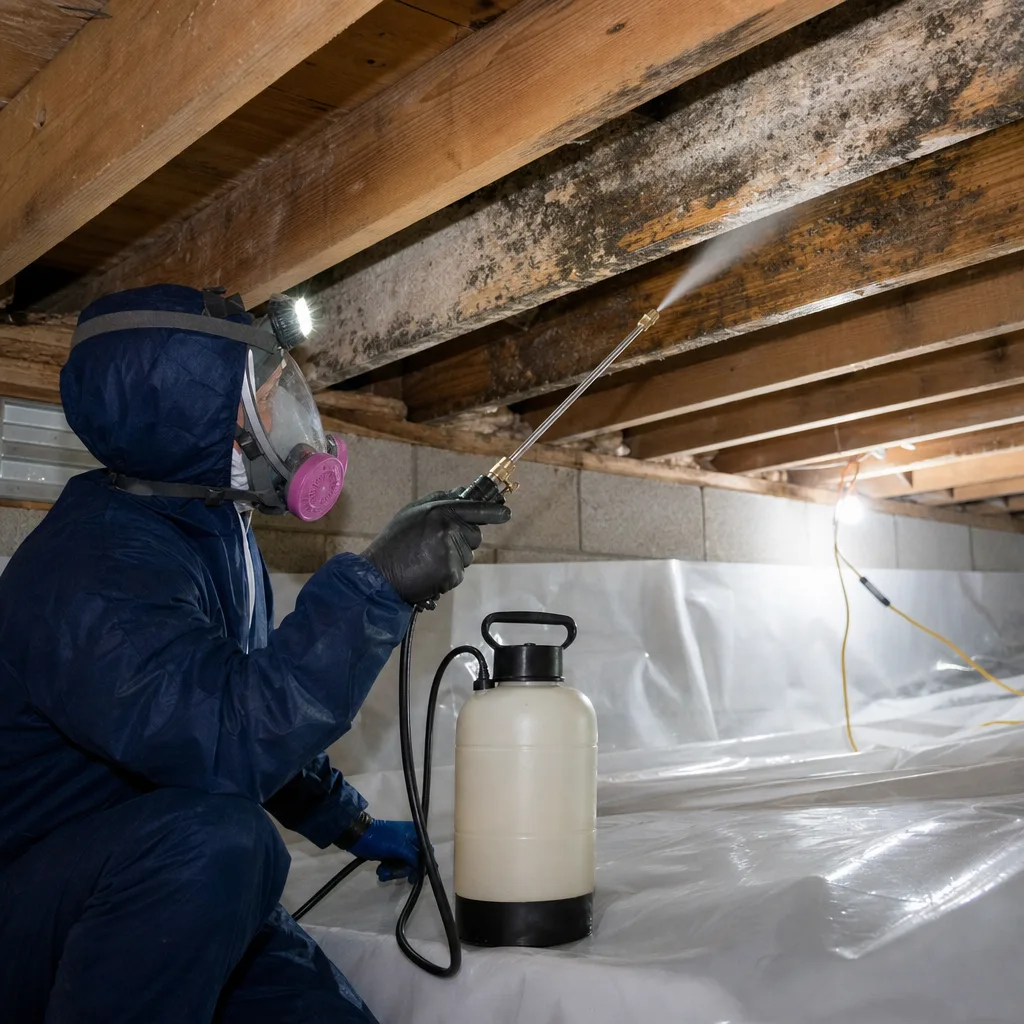
Spring snowmelt and summer storms push water into Minneapolis basements through foundation cracks, window wells, and floor drains that can’t keep up. Flood water carries silt, sewage, and whatever else was on the ground, so cleanup means more than mopping. We remove contaminated materials, sanitize the affected areas, and dry the structure to prevent mold from getting a foothold in the weeks after the water recedes.
Burst Pipe Restoration
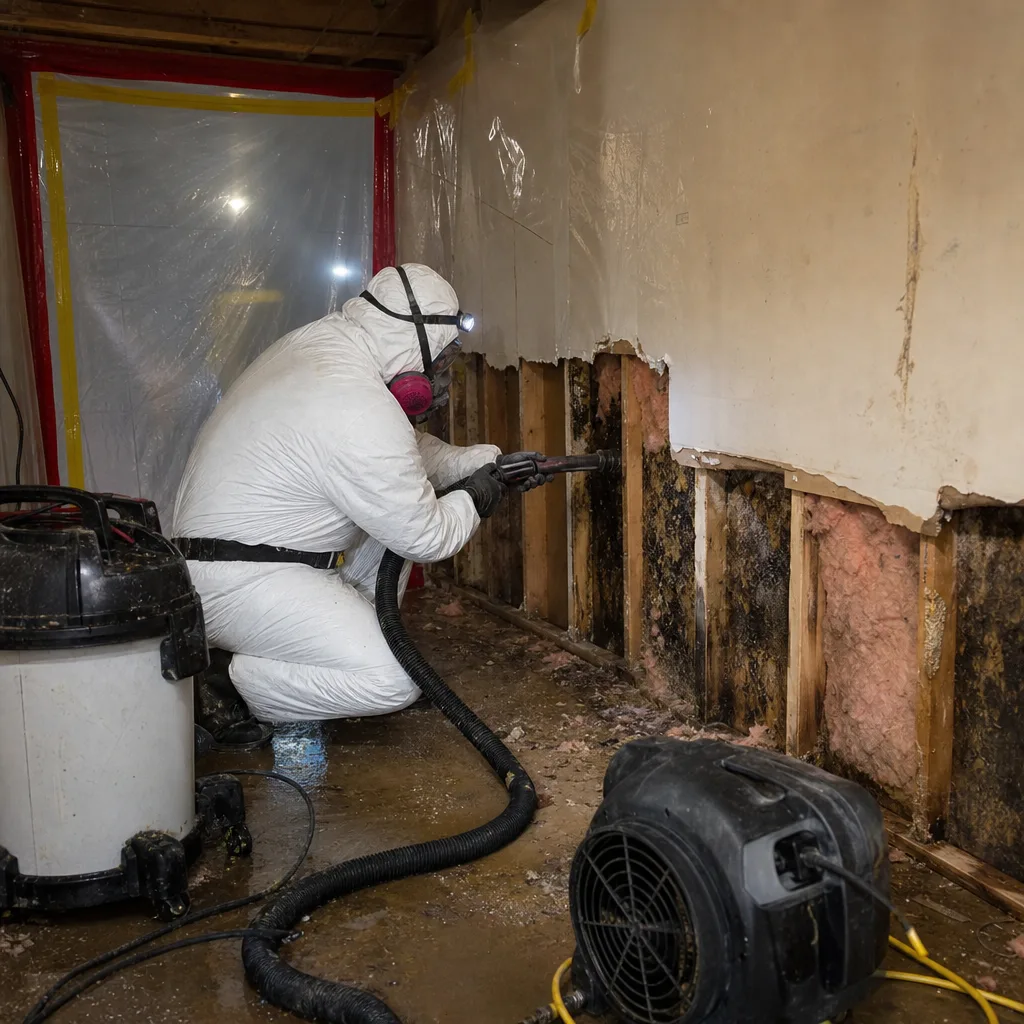
Minneapolis winters freeze pipes in exterior walls, crawlspaces, and unheated porches. When the pipe thaws, the break can flood a kitchen or bathroom in minutes. We locate the source, stop the water, extract what’s pooled, and then dry the structure thoroughly enough that the rebuild won’t trap moisture behind new drywall. We also document the damage for your carrier, because a burst pipe claim is usually covered and you shouldn’t have to assemble evidence yourself.
Basement Water Removal
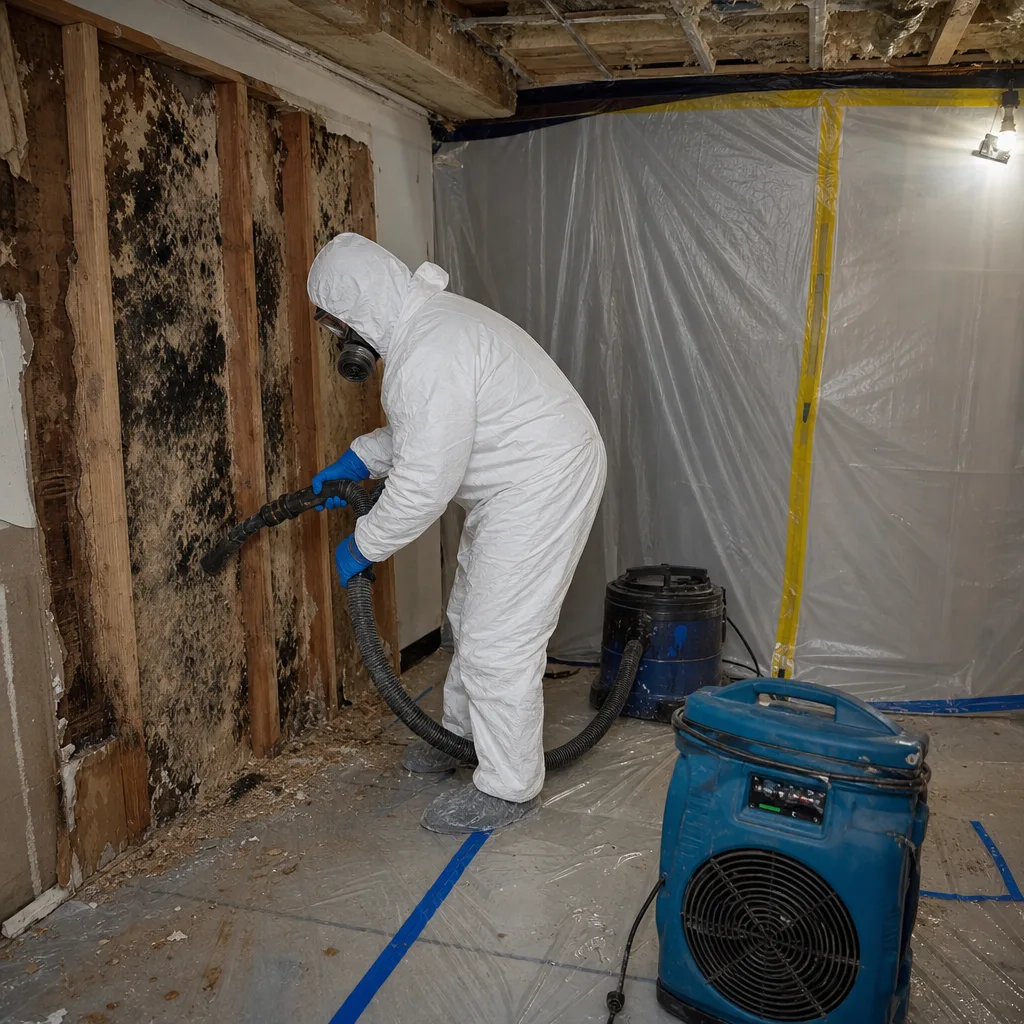
Basements in older Minneapolis neighborhoods like Nokomis, Longfellow, and Phillips have seen decades of water table shifts. Sump pump failure, a cracked foundation, or a backed-up drain can leave inches of water across a finished family room or utility area. Our Water Damage Restoration in Minneapolis basement water removal process starts with fast extraction, moves to controlled drying with Injectidry systems placed in wall cavities and under flooring, and ends with a dry standard verified by meter, not by touch.
Ceiling & Roof Leak Water Damage
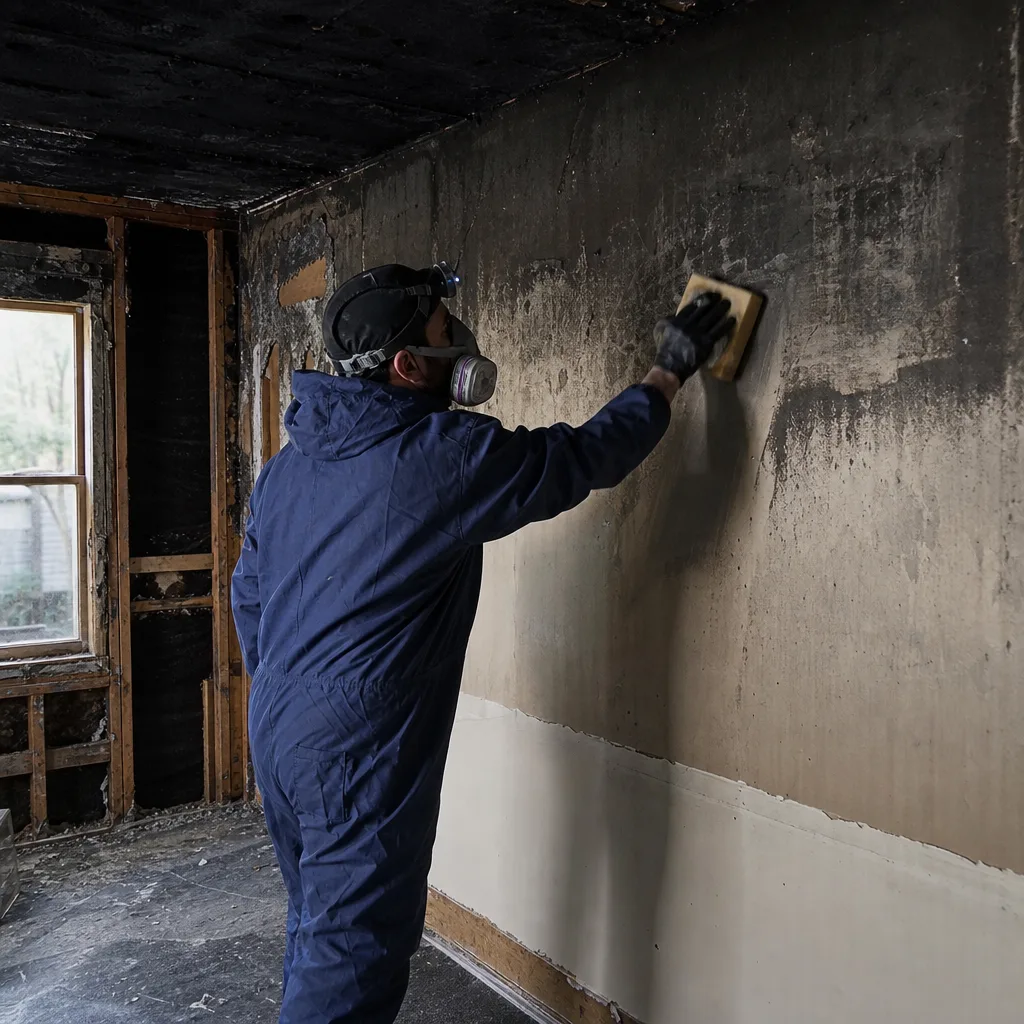
A roof leak in Minneapolis doesn’t just stain the ceiling. Water travels along joists, pools in insulation, and can drip through light fixtures, which is a shock hazard. We inspect the affected ceiling with moisture detection, remove saturated drywall or plaster where necessary, and dry the cavity before the staining or sagging spreads. This is the kind of damage that looks small from below and grows expensive when ignored, so we’d rather confirm the extent now than have you discover it in another room next month.
What happens when you call
- 1
A real person answersNo phone trees - you reach a local pro.
- 2
You get an upfront price rangeHonest numbers before anyone is dispatched.
- 3
A background-checked tech heads outLicensed & insured, dispatched right away.
- 4
You approve before work beginsNothing starts until you say go.
Brands We Service for Water Damage Restoration
We’ve built our drying programs around equipment we trust, namely Phoenix dehumidifiers and Injectidry cavity-drying systems, because they hold up under the long runtimes Minneapolis basement jobs require. Our technicians train on these machines, use their performance curves when sizing a drying job, and carry the spare parts to keep them running through the night. When a Phoenix LGR dehumidifier is needed, we don’t have to rent one across town; it’s on our truck, maintained and calibrated.
Most Minneapolis homes don’t have a dedicated drying system already installed, but if you have a built-in dehumidifier, a sump pump with a battery backup, or an older water alarm, we can assess it as part of the job. The equipment in your home matters less than the moisture map we build around it. Whether you have a name-brand basement system or nothing but four concrete walls and a wet floor, we can dry it, document it, and stand behind the result.
Signs You Need Water Damage Restoration Right Now
- A water bill that suddenly spiked with no change in use. A silent leak behind a wall or under a slab can run for weeks before it shows itself. That water is already doing structural damage, and the higher bill is often the first clue. If your Minneapolis water bill jumped, call us before the stain appears.
- Baseboards that are swollen, stained, or pulling away from the wall. Drywall and trim wick water upward from the floor, which means the moisture is in the wall cavity, not just on the surface. By the time baseboards warp, the damage is usually weeks old.
- A musty smell that gets stronger in one room or one corner of the basement. That smell is microbial activity, which starts when materials stay wet for more than 48 hours. Drying the structure now is cheaper than mold remediation later, and we handle both, so you won’t get passed between companies.
- Discoloration on ceilings or walls, especially after rain or snowmelt. A rust-colored ring usually means water is pooling above the drywall and evaporating slowly through the paint. The size of the stain doesn’t tell you the size of the problem; the moisture behind it does.
- Floors that cup, buckle, or feel soft underfoot. Hardwood and laminate absorb water from below and change shape. Once boards cup, drying alone won’t flatten them, but it will stop the damage from spreading to adjacent rooms and the subfloor underneath.
Our Water Damage Restoration Process - Step by Step
- 1
Inspection and moisture mapping. The first visit starts with a walkthrough and a moisture meter, not a sales pitch. We map the affected area, identify the water source, and classify the category of water so we know what materials are salvageable. This step is where real restoration differs from a carpet cleaning company with a shop vac.
- 2
Extraction and source control. We stop the water at its source, then remove pooled water with truck-mounted and portable extraction equipment. The faster this happens, the more flooring, drywall, and personal property we can save. We’ll also move and block furniture to prevent further staining and wicking.
- 3
Containment and controlled drying. We set up a drying chamber tailored to the affected rooms, using Phoenix dehumidifiers, XPOWER air movers, and Injectidry systems for wall cavities and under-cabinet spaces. Airflow direction and dehumidifier sizing are calculated, not guessed, and we explain the reading schedule before we leave.
- 4
Daily monitoring and documentation. We return to collect moisture readings, adjust equipment as the drying curve changes, and photograph the progress. Every reading goes into a written log. That log goes to you and your insurance carrier, because an adjuster should never be asked to trust a verbal promise about dryness.
- 5
Final verification and rebuild planning. When the meters confirm the structure has reached the dry standard, we walk the space with you and compare readings against the original map. If materials need replacement, the same certified crew that dried the structure can handle the reconstruction, which means no mid-job handoff to strangers.
How Much Does Water Damage Restoration Cost in Minneapolis?
A small, contained water loss in Minneapolis, like a washing machine supply line that soaked a laundry room floor, typically runs $1,200 to $2,800 including extraction and drying. A burst pipe that flooded a finished basement can run $4,000 to $9,000 once drywall removal, structural drying, and basic reconstruction are included. Sewage backups and contaminated floodwater tend to cost more because more material must be removed and sanitized rather than dried in place.
What drives the cost is the square footage of affected material, the category of water, and how long the water sat before extraction started. Homes in older Minneapolis neighborhoods with plaster walls and hardwood floors sometimes cost more to dry correctly, because plaster holds water differently than drywall and can’t always be saved. The best way to avoid overpaying is to get a written scope before work starts. Our estimates are free, they include a line-item breakdown, and we bill your carrier directly when coverage applies. No surprises on the bill, which is the way we think a square deal should work from the start. Call (888) 861-1852 for an exact quote on your situation.
Water Damage Restoration Near Minneapolis - Our Service Area
Floodline Restoration Co. serves Minneapolis and the surrounding communities, including Saint Anthony, Columbia Heights, Golden Valley, Saint Louis Park, Robbinsdale, Falcon Heights, Crystal, Roseville, New Brighton, New Hope, and Richfield. Most calls from Minneapolis neighborhoods get a crew on site within 60 to 90 minutes, depending on traffic and the time of day. If you’re anywhere in the Twin Cities and water is where it shouldn’t be, call and we’ll tell you exactly when we’ll arrive.
Serving Minneapolis, MN - Our Local Coverage Area
We’re based in the Minneapolis area and know this community well. Use the map below to see our service coverage - if you’re nearby, we can almost certainly help.
Frequently Asked Questions - Water Damage Restoration in Minneapolis
Water damage restoration is the process of removing standing water, drying the structure to a measurable standard, and repairing or replacing materials that can’t be saved. It includes extraction, dehumidification, moisture monitoring, sanitizing, and often reconstruction of drywall, flooring, and trim. The goal is to return the home to a safe, dry, stable condition and prevent secondary problems like mold or structural rot.
Extraction usually happens on the same day you call, within hours in most Minneapolis neighborhoods. Drying typically takes three to five days for a standard residential loss, depending on the materials affected and the amount of water. Reconstruction can add days or weeks if flooring and drywall need replacement, and we’ll give you a written timeline after the initial inspection.
Most Minneapolis water damage jobs fall between $1,200 and $9,000 depending on the size of the loss, the water category, and how long the water sat before extraction. A small clean water spill in one room costs far less than a sewage backup across a finished basement. We provide a free, written estimate before work starts and bill insurance carriers directly when coverage applies, so you know the numbers before you commit. Call (888) 861-1852 for a specific quote.
Yes. We run Phoenix dehumidifiers on a large share of our Minneapolis drying jobs and our technicians are trained on their performance curves and maintenance. If your home has a built-in dehumidification system or a Phoenix unit, we can integrate it into the drying plan or replace it with our own equipment if needed.
Yes. Floodline Restoration Co. answers the phone with a live dispatcher 24 hours a day, 7 days a week, including holidays and the middle of the night. Water doesn’t wait for business hours in Minneapolis, and neither do we. Call (888) 861-1852 any time and a real person will start your dispatch.
Every job we do carries the 90-Day Done Right Promise, which we call the Keystone Standard. If something isn’t done right within 90 days, we make it right, in writing, with no arguing and no paperwork battles. It’s built into the K.E.Y.S. values code we work by: Krafted right, Every time, Your home first, Standing behind it.
If it’s safe to do so, shut off the water at the source or at the main valve. Move small valuables and personal items out of the wet area, and avoid walking on saturated floors or using electrical outlets near water. Then call us. Don’t wait to see if it dries on its own, because materials that stay wet beyond 48 hours start growing mold, and that turns a drying job into a remediation job.
Schedule Your Water Damage Restoration Service in Minneapolis Today
If water is spreading through your Minneapolis home, the fastest way to stop the damage is to call (888) 861-1852 right now. You’ll reach a live dispatcher who can have a certified crew on the way within the hour. We’ll give you a free, written estimate before work starts, handle the insurance billing directly, and back the whole job with the 90-Day Done Right Promise. The line the water left is where we start.
Written by Curt Bowman, Owner at Floodline Restoration Co., serving Minneapolis since 2010.