

Fast, Reliable Storm & Disaster Restoration Across Blaine
Storm damage in Blaine rarely announces itself politely. A spring thaw hits, the clay soil can’t absorb what’s coming, and within hours a finished basement on one cul-de-sac is under two inches of water while the neighbors on either side are watching the same thing happen to them. That’s the pattern our crews know well in this city, and it’s why we dispatch to Blaine with extraction equipment already staged when the forecast calls for rapid snowmelt. If water, wind, or ice has compromised your home, call (888) 861-1852 and a live dispatcher will answer, day or night. A certified crew reaches Blaine fast, because waiting on water only deepens the damage and the bill.
Why Floodline Restoration Co. of Minneapolis Is Blaine’s Preferred Storm & Disaster Restoration Company
Blaine homeowners tend to stay put. The split-levels and ramblers built across the 55434 zip code during the 1980s and 1990s are full of people who raised kids here and plan to stay through retirement. Those homeowners want a restoration company that answers the phone with a person and stands behind the work in writing. That’s what we do. Every Blaine job is backed by the 90-Day Done Right Promise, known internally as the Keystone Standard: if it’s not done right, we make it right. No argument, no paperwork battle.
Our technicians are background-checked, uniformed, and trained to IICRC, RIA, and IFA standards. They arrive in marked trucks with Dri-Eaz extraction equipment, Phoenix air movers, and XPOWER dehumidifiers. We coordinate directly with insurance carriers, document everything with photos and moisture readings, and hand you a written scope before work begins. For Blaine residents who’ve been burned by a contractor before, that written scope matters. You know exactly what we’re doing, what it costs, and what happens next.
Our Storm & Disaster Restoration Services in Blaine
Our Storm & Disaster Restoration team handles the full cycle: first response, mitigation, and rebuild. In Blaine, the work usually starts with water, wind, or ice, and it almost always involves a finished basement.
Storm Damage Cleanup
Wind-driven rain and hail tear at Blaine’s 1980s-era roofs and siding, and what starts as shingle loss quickly becomes water migration behind the building envelope. Our crews secure the exterior first, then move inside to extract, dry, and document every affected surface. We don’t stop at the visible damage; we moisture-map the walls and floors so hidden pockets don’t turn into mold six months later.
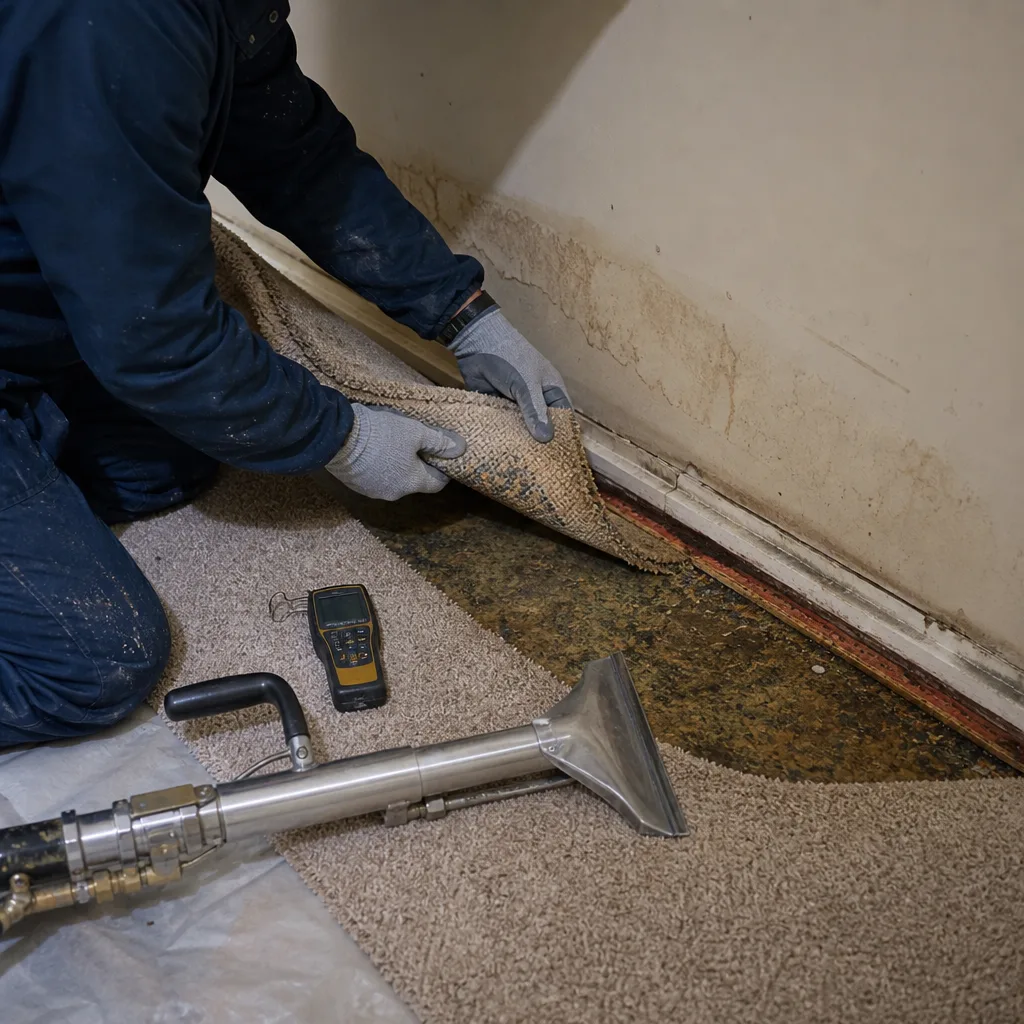
Flood Damage Restoration
Blaine’s flat topography and clay-heavy soils mean floodwater doesn’t drain; it pools and rises. When the retention ponds across a subdivision hit capacity during spring snowmelt, groundwater presses against foundation walls and finds every crack, every cove joint, every sump pit that isn’t keeping up. We extract the standing water, run professional-grade dehumidification until the dry standard is met, and rebuild what the water destroyed. The moisture log goes to you and your carrier daily.
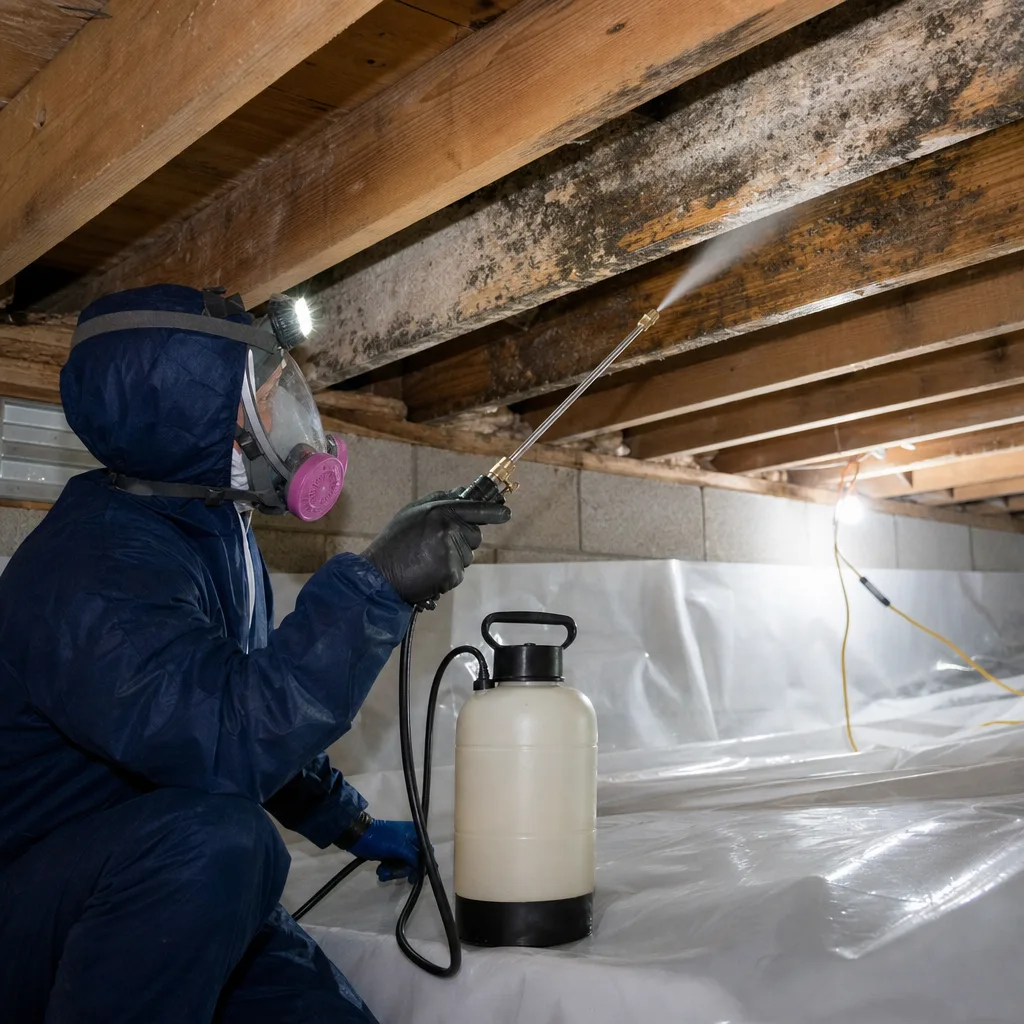
Emergency Board-Up
After a wind event rips out a window or a tree limb goes through a patio door, an unsecured opening invites more weather, more water, and unwanted visitors. Our board-up crews secure the opening the same day, using materials that hold through Minnesota wind loads until permanent repairs are ordered and installed. In Blaine, where April squalls come fast, that speed prevents a bad evening from becoming a total loss.
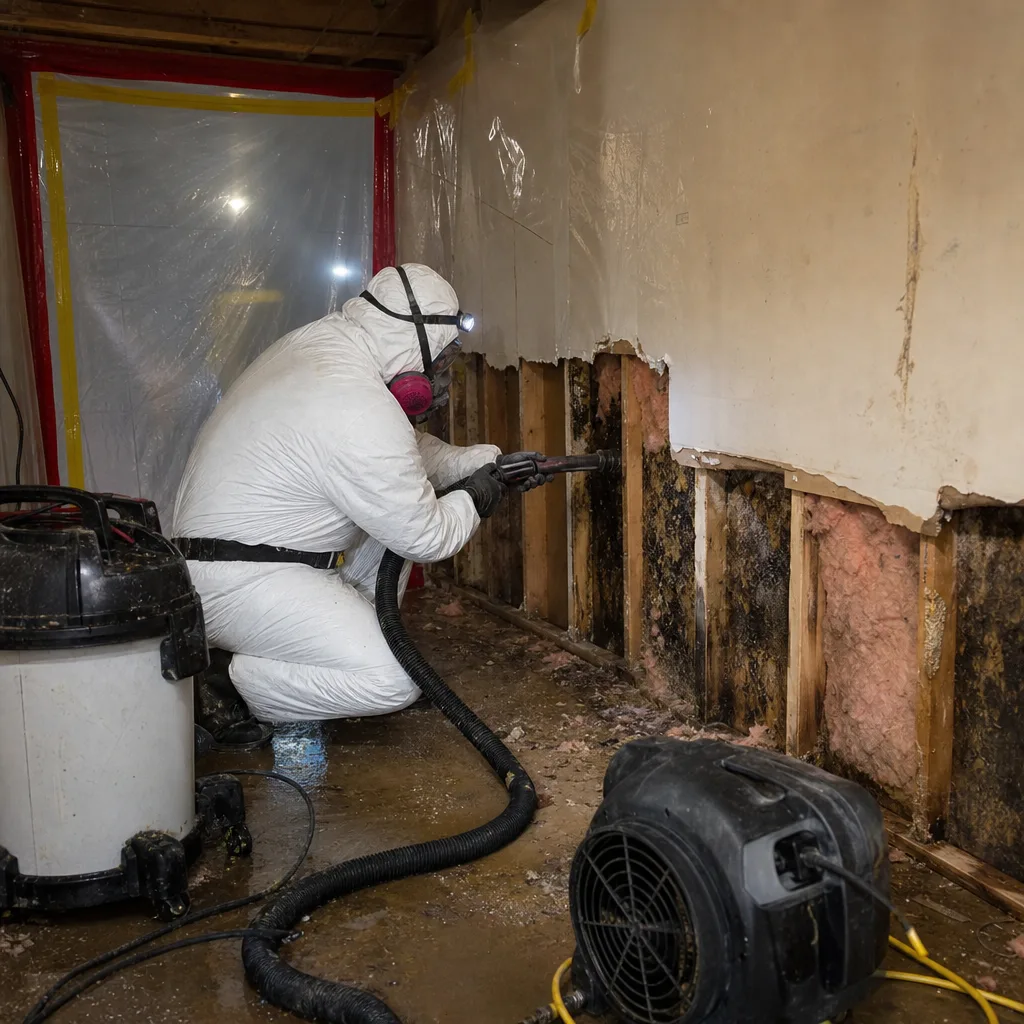
Roof Tarping
A damaged roof over a finished basement is a compounding problem. Water gets in, moves down interior walls, and saturates drywall, carpet, and mechanical systems at or below grade. Roof tarping stops the intrusion at the source while your insurance claim is processed and a permanent repair is scheduled. We use commercial-grade tarps and fastening patterns that stand up to the same wind that caused the original damage.
What happens when you call
- 1
A real person answersNo phone trees - you reach a local pro.
- 2
You get an upfront price rangeHonest numbers before anyone is dispatched.
- 3
A background-checked tech heads outLicensed & insured, dispatched right away.
- 4
You approve before work beginsNothing starts until you say go.
Trusted Brands We Service in Blaine
Blaine’s housing stock includes a wide range of water mitigation systems, sump configurations, and mechanical layouts, and our techs have serviced most of them. We stock parts and equipment compatible with the major brands installed across 55434 homes, which means most jobs are completed in a single visit. If your sump pump has failed or your basement drainage system isn’t keeping pace with the water table, we’ll diagnose it, document it, and fix it with professional-grade equipment and parts backed by warranty. The same crew that reads the moisture map on day one handles daily readings and rebuilds what needs rebuilding.
Common Storm & Disaster Restoration Problems We See in Blaine Homes
- Jammed sump pump float switches from clay sediment. Blaine’s heavy clay soil works its way into sump pits, coating floats and jamming switches just when groundwater peaks. The pump sits silently while the water rises, and the first sign of failure is water on the basement floor.
- Ice dams on 1980s-era attics. Insulation deficiencies in this housing stock let heat escape through the roof deck, melting snow that refreezes at the eaves. Water backs up under shingles, moves behind siding, and shows up in finished basements, where it’s often mistaken for a foundation leak.
- Missing or unmaintained backup sump pumps. Most Blaine homes have a primary sump pump, but a large share lack a working backup. When the neighborhood-wide water table rises during an April thaw and the primary fails or loses power, there’s nothing between the groundwater and the finished basement.
- Wind damage to doors and windows on tract-era construction. The split-levels and ramblers built across Blaine during the 1980s and 1990s were framed for their time, but Minnesota wind loads have exposed weaknesses around door framing and window flashing. A severed garage door track or a blown-out patio slider invites water during the next squall.
Pricing for Storm & Disaster Restoration in Blaine, MN
Emergency board-up in Blaine typically runs $250 to $600 per opening, depending on the size of the window or door and the materials required. Roof tarping usually lands between $400 and $900 for a single damage area, with steep pitches and large coverage areas pushing toward the higher end. Flood damage restoration, including extraction, drying, and materials, commonly runs $2,800 to $8,500 for a finished basement in a 1990s split-level in 55434, depending on how far the water traveled and what got saturated. Every Blaine estimate is free, and every scope is agreed in writing before work starts. Call (888) 861-1852 for an exact number.
Trusted Brands We Service in Blaine
Our technicians service and install equipment from the brands Blaine homeowners already trust, including primary and backup sump systems from Zoeller, Wayne, Liberty, and Basement Watchdog. We also use professional-grade B-Air and Injectidry drying systems on every water job, so the equipment doing the work is the same caliber as the equipment you’d find on a commercial site. Fast turnaround on parts and repairs means less downtime for your sump system during the exact weeks when Blaine’s water table is highest.
We Also Serve Cities Near Blaine
Floodline Restoration Co. serves Blaine and the surrounding Anoka County communities, including West Coon Rapids, Coon Rapids, Andover, and Ham Lake. If your home sits in one of these nearby cities and you’re watching the spring thaw arrive, the same 24/7 live dispatch and 90-Day Done Right Promise apply.
Serving Blaine, MN - Our Local Coverage Area
We’re based in the Blaine area and know this community well. Use the map below to see our service coverage - if you’re nearby, we can almost certainly help.
FAQs - Storm & Disaster Restoration in Blaine
Blaine’s subdivisions are built on former agricultural land with heavy clay soils that shed water rather than absorb it, and engineered stormwater retention ponds throughout the city cause groundwater to rise uniformly across entire neighborhoods during spring snowmelt. When the water table climbs under a whole street, every sump pump on that street works against the same pressure at the same time. The pumps that fail first are usually the ones with jammed float switches from clay sediment or missing backup power. Call (888) 861-1852 if your pump has failed or if you want a depressurization and backup inspection before the thaw.
Blaine’s building code and stormwater management ordinance address sump pump discharge and grading requirements, but backup sump systems are not universally mandated for existing homes, which means thousands of 1980s and 1990s houses in 55434 operate with a single pump and no fail-safe. That’s a problem when the water table rises across an entire subdivision at once. A battery backup or water-powered backup system is cheap insurance compared to a finished basement rebuild, and our crews can install or service one before the spring thaw.
Check the float switch first. Clay sediment from Blaine’s soil accumulates in sump pits over the winter months and jams floats just when groundwater peaks. Lift the float manually to confirm the pump kicks on, then check the discharge line for ice blockage and confirm the backup power source is operational. If you’re not comfortable doing this yourself, our technicians can perform a pre-thaw sump inspection and document what they find. A twenty-minute check in March beats a flooded basement in April.
Ice dams cause both. When attic insulation in a 1980s-era Blaine home lets heat escape, snow melts at the roof surface, runs down to the cold eaves, and refreezes. The resulting ice dam backs water under the shingles and behind the siding, where it travels down interior wall cavities and into the basement. What looks like a foundation leak from the inside is often an ice dam from the attic above. We moisture-map the full wall assembly to trace the actual path and fix the source, not just the symptom.
Extraction begins the same visit, and most Blaine basements reach dry standard within three to five days when the right equipment runs continuously. We use truck-mounted Dri-Eaz extraction units to pull standing water fast, then place Phoenix axial air movers and XPOWER dehumidifiers to drive moisture out of drywall, carpet, and framing. The moisture log we hand to you and your adjuster documents readings from day one through the final day. Call (888) 861-1852 and a live dispatcher will get a crew moving toward Blaine immediately.
Written by Curt Bowman, Owner at Floodline Restoration Co., serving Blaine and the surrounding Anoka County communities.