

Fast, Reliable Storm & Disaster Restoration Across Saint Paul Park
Storm damage in Saint Paul Park rarely announces itself politely. A late-winter ice dam lets go, a spring snowmelt surge pushes Mississippi backwater through a floor drain, or a windstorm peels shingles off a low-pitch bungalow roof. When it happens, you need a crew that understands this river town’s particular problems. Floodline Restoration Co. serves Saint Paul Park with certified technicians, professional-grade drying equipment, and a live dispatcher answering at two in the morning. Call (888) 861-1852 and we will have a crew headed your way.
Why Floodline Restoration Co. of Minneapolis Is Saint Paul Park’s Preferred Storm & Disaster Restoration Company
Saint Paul Park sits on the Mississippi River floodplain, and that geography shapes every storm restoration job here. Streets at lower elevations take on river backwater that inland suburbs never see. Homes are older, built between the 1920s and 1950s, with plaster-on-lath walls and full basements that hold moisture longer than modern drywall. We know this because we work here regularly. The original cast-iron plumbing in these bungalows cracks under freeze-thaw heave, and the cove joints where floor meets wall are often the first place water enters. A restoration company that treats Saint Paul Park like any other Washington County suburb will miss what matters.
Our crews arrive with a moisture map, not a guess. We use Dri-Eaz, Phoenix, XPOWER, and B-Air equipment to track drying progress day by day, and we hand the log to you and your carrier. The same certified crew that extracts the water handles the drying, the antimicrobial treatment, and the rebuild. No mid-job handoff to a crew you have never met. Every job is backed by the 90-Day Done Right Promise, our written guarantee. If it is not done right, we make it right. That is the standard we have held since Curt Bowman founded this company in 2010, and it applies to every Saint Paul Park home we enter.
Our Storm & Disaster Restoration Services in Saint Paul Park
We handle the full cycle: extraction, drying, repair, and rebuild. In Saint Paul Park, that cycle looks different than it does in Cottage Grove or Woodbury because of the river and the housing stock. Here is what we do most often:
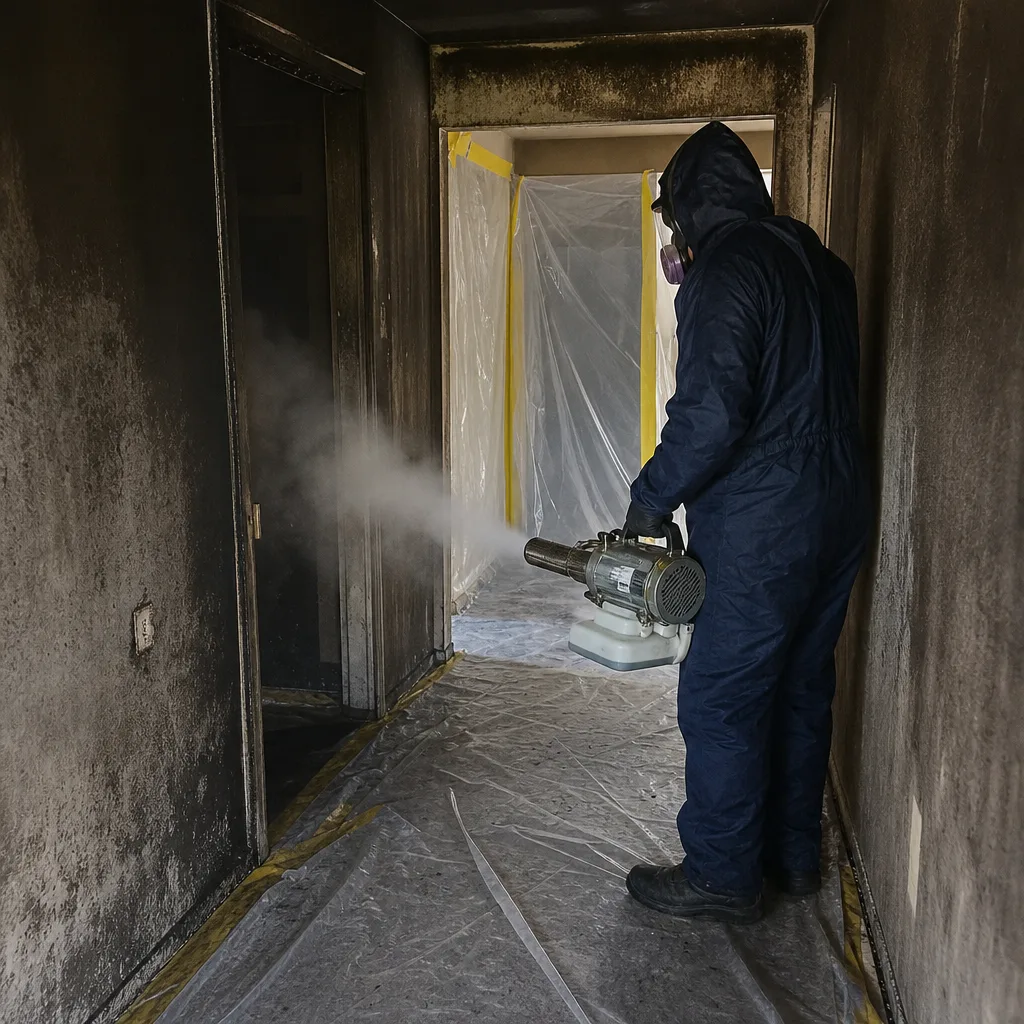
Flood Damage Restoration
Saint Paul Park basements flood from two directions: snowmelt and river backwater. Both leave water in contact with original plaster, old framing, and cast-iron plumbing. Our crews run professional-grade Injectidry panels and drying systems to pull moisture from lath cavities, not just the surface. We log daily readings until the dry standard is met, then treat for mold before anything gets closed back up. A flood in Saint Paul Park is rarely clean water; we assume Category 3 contamination when river water is involved and follow IICRC protocol accordingly.
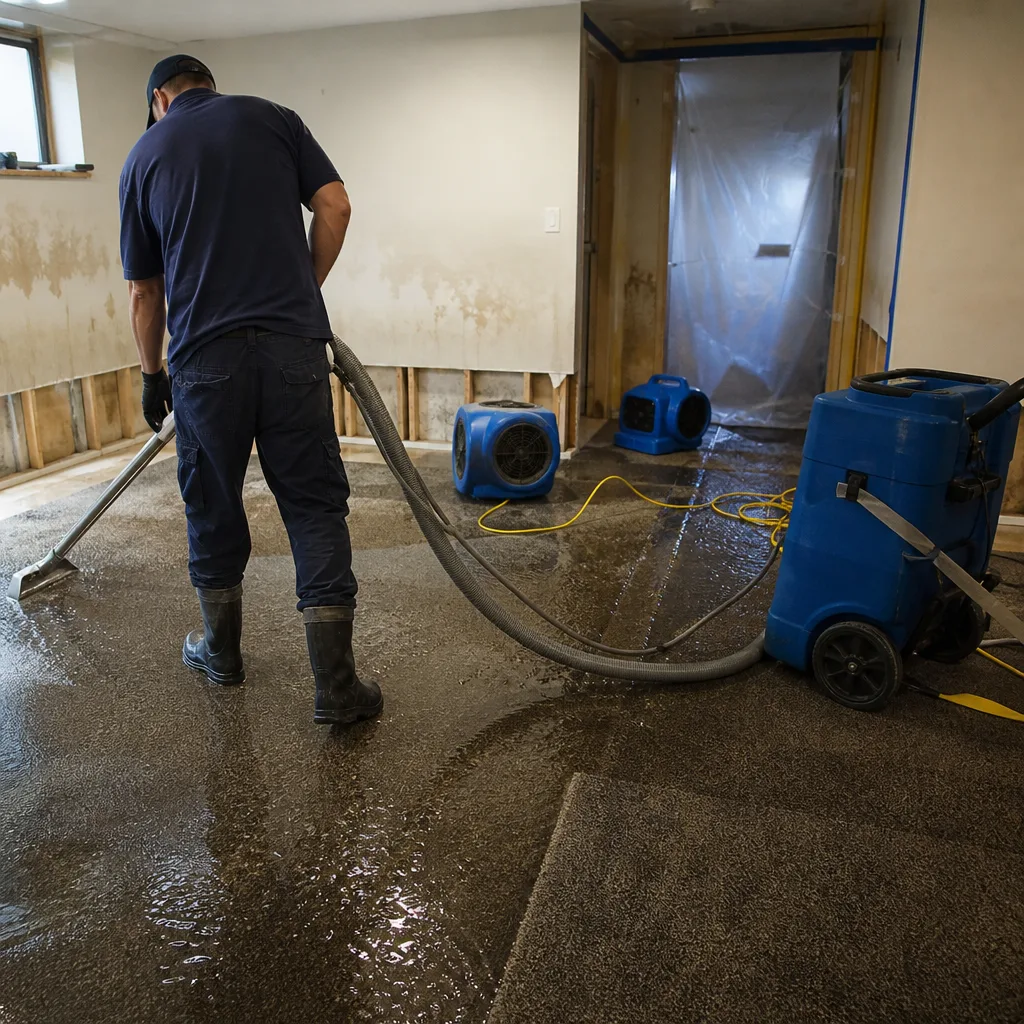
Storm Damage Cleanup
Wind and hail hit the low-pitch roofs common on Saint Paul Park’s older homes, and fallen limbs take out gutters, fascia, and occasionally windows. We remove debris, assess structural damage, and document everything with photographs for your insurance carrier. The cleanup is thorough because the next rain will find any gap left behind.
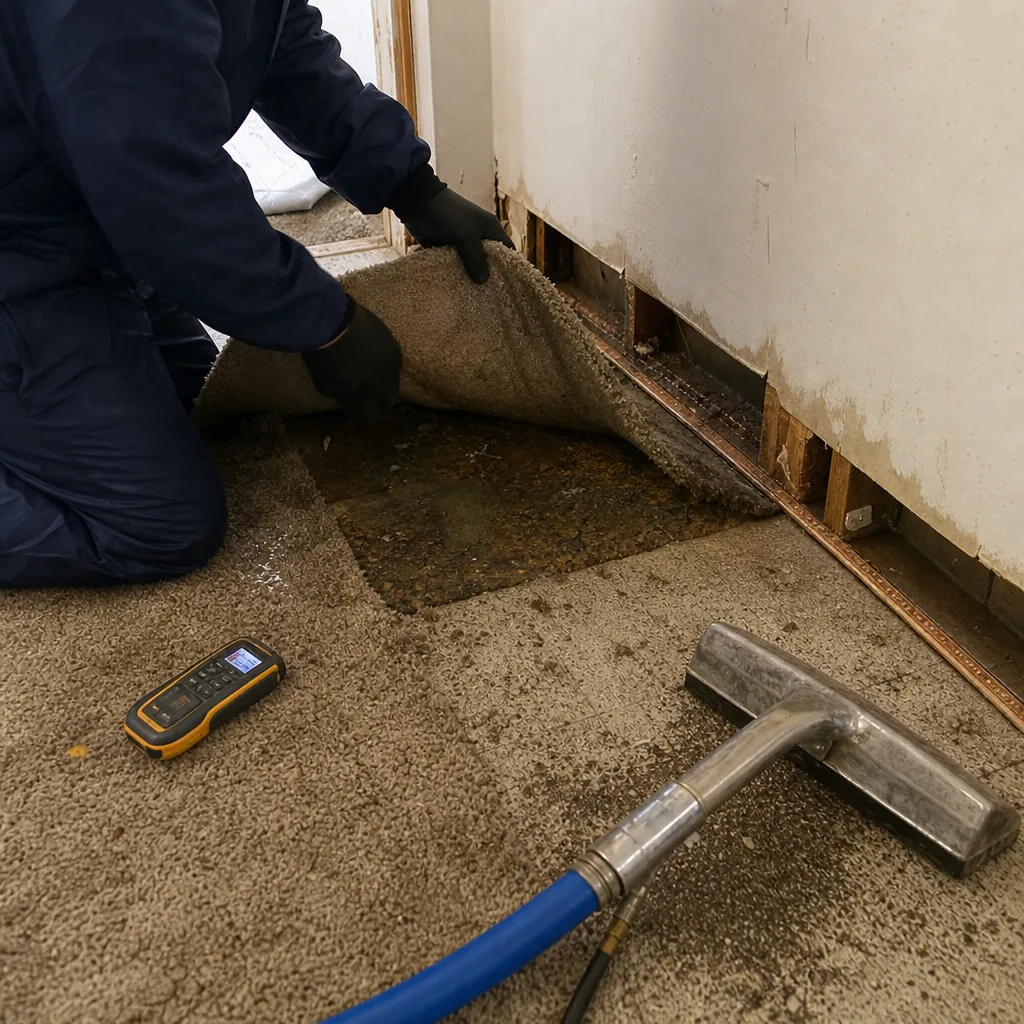
Emergency Board-Up
A tree through a window or a storm-torn roof opening cannot wait until morning. Our emergency board-up service secures the opening the same visit, keeping rain, animals, and further damage out. We use solid plywood, proper fasteners, and we make sure the board-up holds until permanent repairs are scheduled.
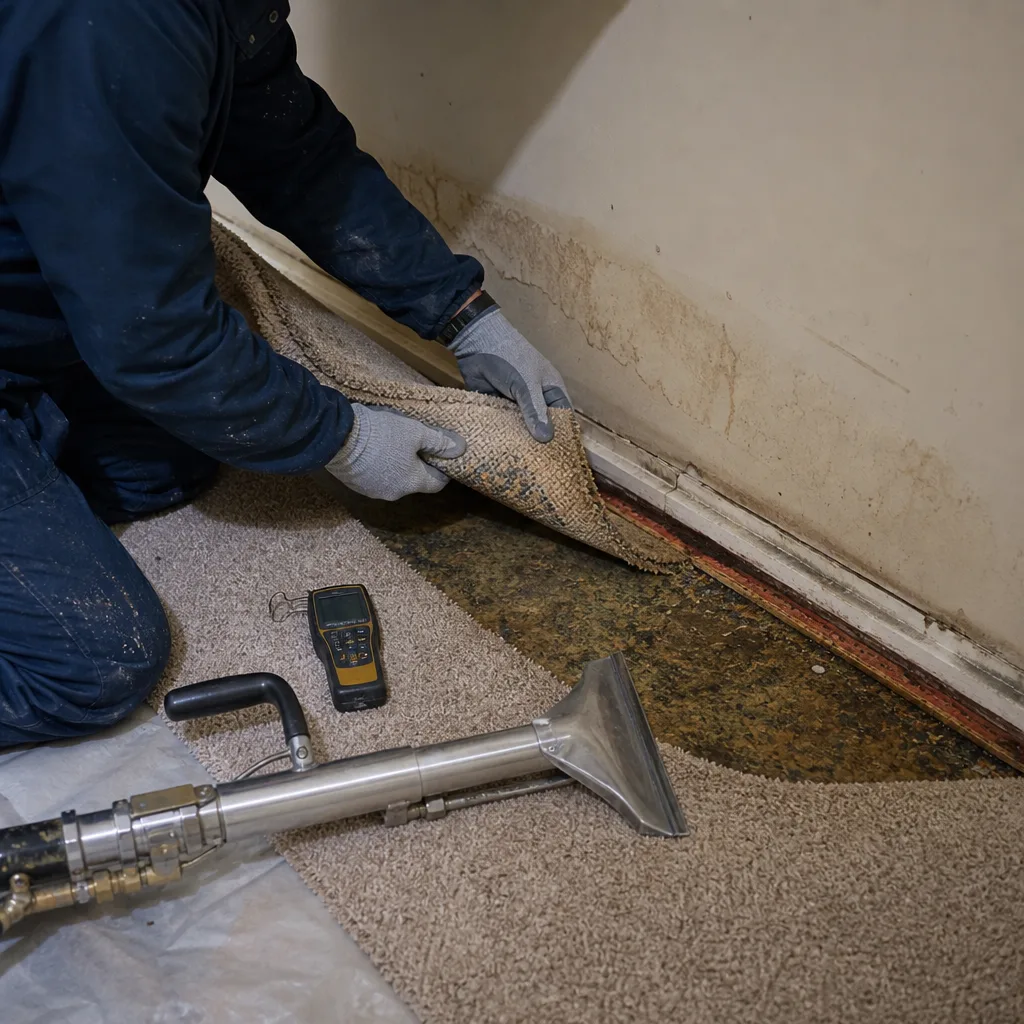
Roof Tarping
When storm damage opens a roof, water follows fast. We tarp the affected area to stop active leaking and buy time for a proper repair or replacement. On Saint Paul Park’s older bungalows, that tarp needs to account for low slopes and occasional original rooflines that modern tarps do not always fit cleanly. Our crew adjusts on-site rather than leaving a loose corner for the wind to catch.
What happens when you call
- 1
A real person answersNo phone trees - you reach a local pro.
- 2
You get an upfront price rangeHonest numbers before anyone is dispatched.
- 3
A background-checked tech heads outLicensed & insured, dispatched right away.
- 4
You approve before work beginsNothing starts until you say go.
Trusted Brands We Service in Saint Paul Park
We run equipment from Dri-Eaz, Phoenix, XPOWER, B-Air, and Injectidry, and we stock parts and supplies specifically for the homes we serve in and around 55071. That means less downtime waiting on a specialty fitting for an older cast-iron drain or a plaster-compatible drying setup. Our technicians train to IICRC, RIA, and IFA standards, so the person holding the moisture meter knows exactly what the numbers mean in a plaster-on-lath wall versus a drywall stud cavity. Saint Paul Park customers get fast turnaround because we already know what their homes require.
Common Storm & Disaster Restoration Problems We See in Saint Paul Park Homes
- Surface-only drying of plaster walls. Plaster-on-lath holds water in the lath cavity long after the surface reads dry. We use interior drying panels and cavity injection to pull moisture from the full assembly. Skip this and mold grows behind the plaster weeks later.
- Treating river backwater as clean water. Mississippi backwater carries sewage, silt, and agricultural runoff. Anything that touched it needs Category 3 protocol: full extraction, antimicrobial treatment, and removal of porous materials. Clean-water cleaning on river water is a health risk.
- Patching cracked cast-iron drains without addressing freeze-thaw heave. A cracked drain under a Saint Paul Park basement floor often re-cracks the next spring if the heave that broke it is not addressed. We replace the broken section and stabilize the surrounding soil so the repair holds.
- Ignoring cove joints as primary entry points. River water enters through the seam where basement floor meets wall, especially in lower-elevation streets. We treat that joint as a structural waterproofing point, not an afterthought.
One failure mode we see repeatedly in Saint Paul Park goes like this: restorers dry only the surface of plaster-on-lath walls and miss moisture trapped in the lath cavity. The surface reading looks fine, the job closes, and weeks later the homeowner smells mold behind the baseboard. By then the remedy is full tear-out. Our daily moisture log is designed to catch exactly this before it happens.
Pricing for Storm & Disaster Restoration in Saint Paul Park, MN
Storm restoration pricing in Saint Paul Park depends on the scope, but honest ranges help you plan. A typical emergency board-up or roof tarp in Saint Paul Park runs $300-$650. Basement flood extraction with full drying and antimicrobial treatment typically runs $2,800-$7,500 depending on square footage, water category, and whether plaster walls require cavity drying. Category 3 sewage-backed river water with full tear-out and rebuild starts around $8,000 and goes up from there. Cast-iron drain replacement under a basement floor typically runs $1,800-$4,200. We provide a written scope before work starts, bill your insurance directly where coverage applies, and never ask you to play messenger between us and the carrier. Call (888) 861-1852 for a free, exact estimate.
We Also Serve Cities Near Saint Paul Park
Floodline Restoration Co. provides Storm & Disaster Restoration throughout the broader area, with crews regularly serving Cottage Grove, Inver Grove Heights, South Saint Paul, and Woodbury. If you live in any of those communities and need storm or flood help, the same live dispatch line, certified crews, and 90-Day Done Right Promise apply. Learn more about our work in the area on our Storm & Disaster Restoration in Saint Paul Park page. Call (888) 861-1852 any hour.
Serving Saint Paul Park, MN - Our Local Coverage Area
We’re based in the Saint Paul Park area and know this community well. Use the map below to see our service coverage - if you’re nearby, we can almost certainly help.
FAQs - Storm & Disaster Restoration in Saint Paul Park
River backwater enters through floor drains and cove joints, carries sewage and silt, and affects entire blocks at once rather than one sump pit overflowing. It requires Category 3 contamination protocol, full extraction, antimicrobial treatment, and often partial tear-out. A sump failure typically involves cleaner groundwater and a smaller affected area. Both happen in Saint Paul Park, but river water is the more serious event.
Plaster-on-lath holds moisture in the lath cavity behind the plaster surface, and that cavity dries much slower than gypsum wallboard over studs. We use interior drying panels and cavity-directed airflow to remove moisture from the full wall assembly, not just the face. If a crew treats plaster like drywall, the surface reads dry while the cavity stays wet, and mold grows behind the wall. Call (888) 861-1852 if you suspect hidden moisture after a flood.
Yes, in many cases. We install backwater valves on floor drains, seal cove joints with flood-rated materials, add interior drainage where the floor allows, and repair or replace cracked cast-iron lines so freeze-thaw heave cannot force a repeat failure. A full wall rebuild is not always necessary. The right approach starts with a moisture assessment and a written scope before any work begins.
We check for active water intrusion at the eaves and valleys, then the condition of the roofing material around the damage. Low-pitch roofs hold snow and water longer, and older bungalows often have original shingle layers or patched areas that fail around the perimeter first. A tarp that does not seal tightly against a low-slope eave will leak in the first rain, so we secure those edges carefully.
Rebuilding should wait until the moisture log shows the dry standard has been met across the full wall assembly, including any plaster or insulation cavity. That is typically 5-10 days with professional drying equipment, longer if the home sat wet before extraction began. Rebuilding over a damp cavity seals in moisture and guarantees mold. We hand you the final readings before any wall is closed back up.
Key Takeaways
- Saint Paul Park’s river floodplain and older plaster-on-lath homes demand different drying methods than nearby suburbs.
- River backwater is Category 3 water; it carries sewage and requires full contamination protocol.
- Cast-iron drains in this town crack under freeze-thaw heave, and patching alone invites a repeat flood next spring.
- The 90-Day Done Right Promise is in writing, and the same certified crew handles drying, repair, and rebuild.
- Call (888) 861-1852 any hour for a live dispatcher and a free estimate.
Written by Curt Bowman, Owner at Floodline Restoration Co., serving Saint Paul Park and surrounding communities.