

Fast, Reliable Storm & Disaster Restoration Across Saint Paul
When a July cloudburst overwhelms the combined sewer under Cathedral Hill or a March ice dam sends meltwater through a Summit Avenue ceiling, Saint Paul homeowners need a crew that knows what these pre-1940 houses actually do when they get wet. That’s the work Floodline Restoration Co. of Minneapolis does every week across Saint Paul, MN. We’re not a franchise that sends whoever’s closest. We’re a local, certified storm and disaster restoration team that reads moisture maps, treats Category 3 sewage backups as the biohazard they are, and doesn’t close a job until the plaster is dry down to the lath, not just dry on the pin meter. Call (888) 861-1852 and a live dispatcher answers. Not a recording. At 2 p.m. or 2 a.m.
Why Saint Paul Homeowners Call Floodline Restoration Co. of Minneapolis First
We’ve been answering calls from Saint Paul for over 42 years. The person who picks up the phone knows what a Sibley Street row home looks like from the alley and why a basement backup in 55117 often means raw sewage, not rainwater. Our crews work the Cathedral Hill, Summit Hill, West Side, and Lowertown neighborhoods every season. A storm damage call in Saint Paul rarely stops at water. It goes into structural drying, contaminated material removal, and sometimes, full reconstruction with direct insurance billing so the homeowner never plays messenger with the carrier.
Every technician who steps into a Saint Paul home is background-checked, uniformed, and trained to IICRC, RIA, and IFA standards. We run professional-grade equipment: Dri-Eaz dehumidifiers, Phoenix refrigerant dryers, XPOWER air movers, B-Air filtration, and Injectidry systems for hard-to-reach cavities. And every job carries the 90-Day Done Right Promise in writing. If something isn’t done right, we make it right, no paperwork battles. That’s the Keystone Standard. We stand behind it.
Our Storm & Disaster Restoration Services in Saint Paul
Our Storm & Disaster Restoration team handles the full cycle in Saint Paul, from the first emergency call to the finished rebuild. We don’t hand off to a subcontractor once the water’s gone. The same certified crew reads the moisture log on day one, takes daily readings through the dry-down, and rebuilds what needs rebuilding. Here’s what that looks like in practice across Saint Paul neighborhoods:
Storm Damage Cleanup
Wind-driven rain through a broken window on the third floor of a Crocus Hill Victorian lands in the horsehair-lime plaster walls and keeps traveling. We contain the affected space, remove saturated material, and map moisture before it migrates into adjacent cavities. In Saint Paul’s pre-1940 housing stock, a 20-minute rain event can soak into lime plaster and old-growth framing faster than it would in a modern assembly. Our daily moisture readings don’t stop until the dry standard is met, and the log goes to you and your carrier.
Flood Damage Restoration
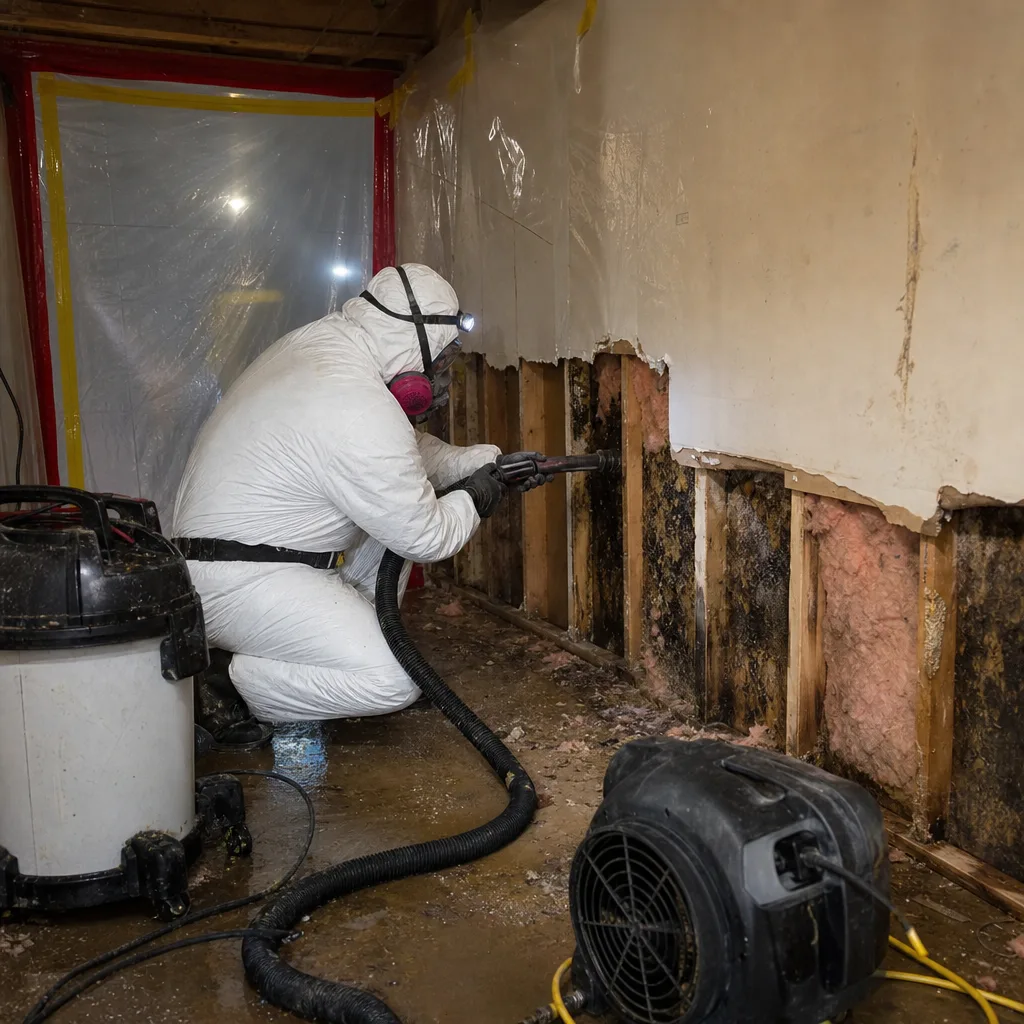
A Mississippi River overbank flood in Lowertown or the West Side floodplain isn’t the same as a burst supply line. We treat overbank water and combined-sewer backups as Category 3 contamination: full containment, HEPA air scrubbing, decontamination of every surface the water touched, and structural drying with refrigerant dehumidifiers on rubble-stone foundation walls. In Saint Paul homes with original clay tile laterals, sewage backup often follows heavy rain, and the remediation scope includes those foundation crevices where residue hides.
Emergency Board-Up
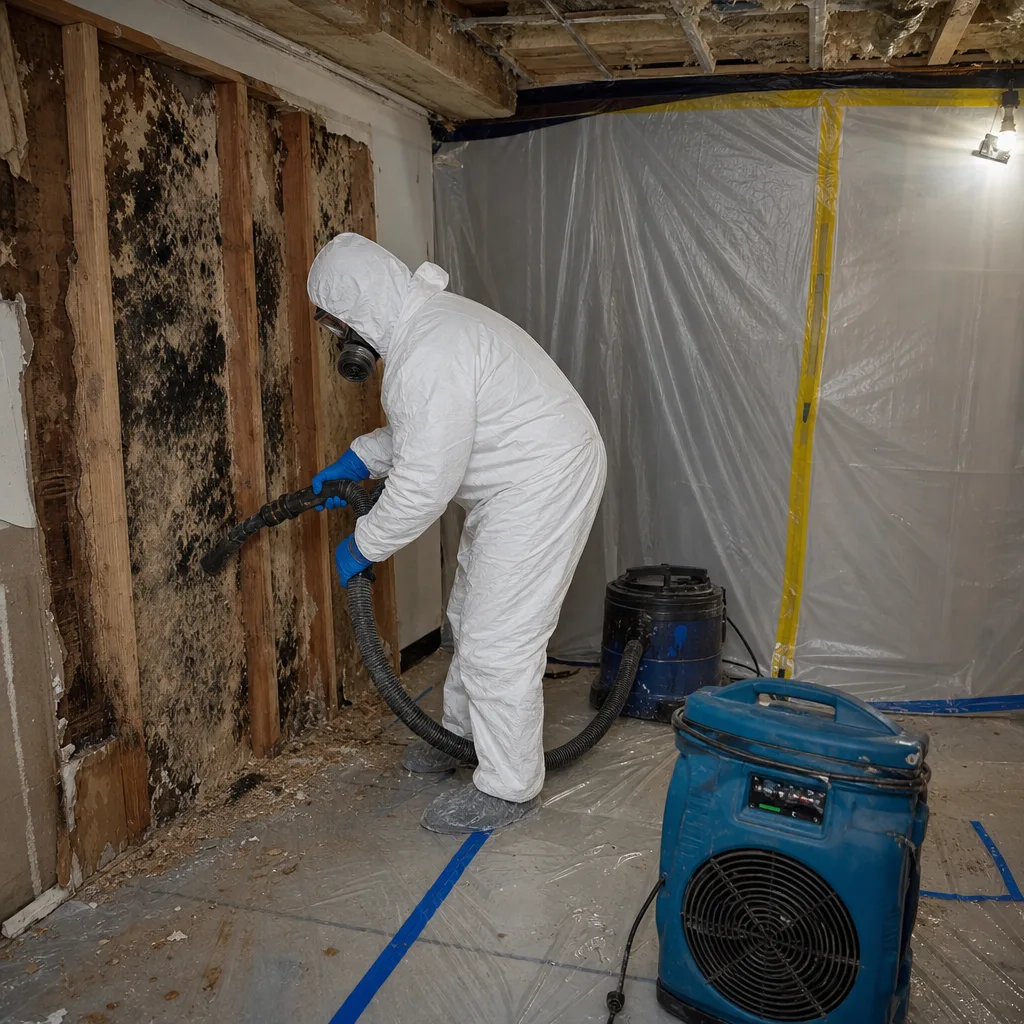
A downed branch through a parlor window on Summit Hill at midnight needs boarding before it needs anything else. Our emergency board-up service secures broken glass, missing doors, and compromised entry points fast, working around Saint Paul’s narrow alleys and row-home clearances. We board it, photograph it for your adjuster, and make sure the house stays locked up until repairs begin. Same-visit extraction is the goal whenever the water is still standing.
Roof Tarping
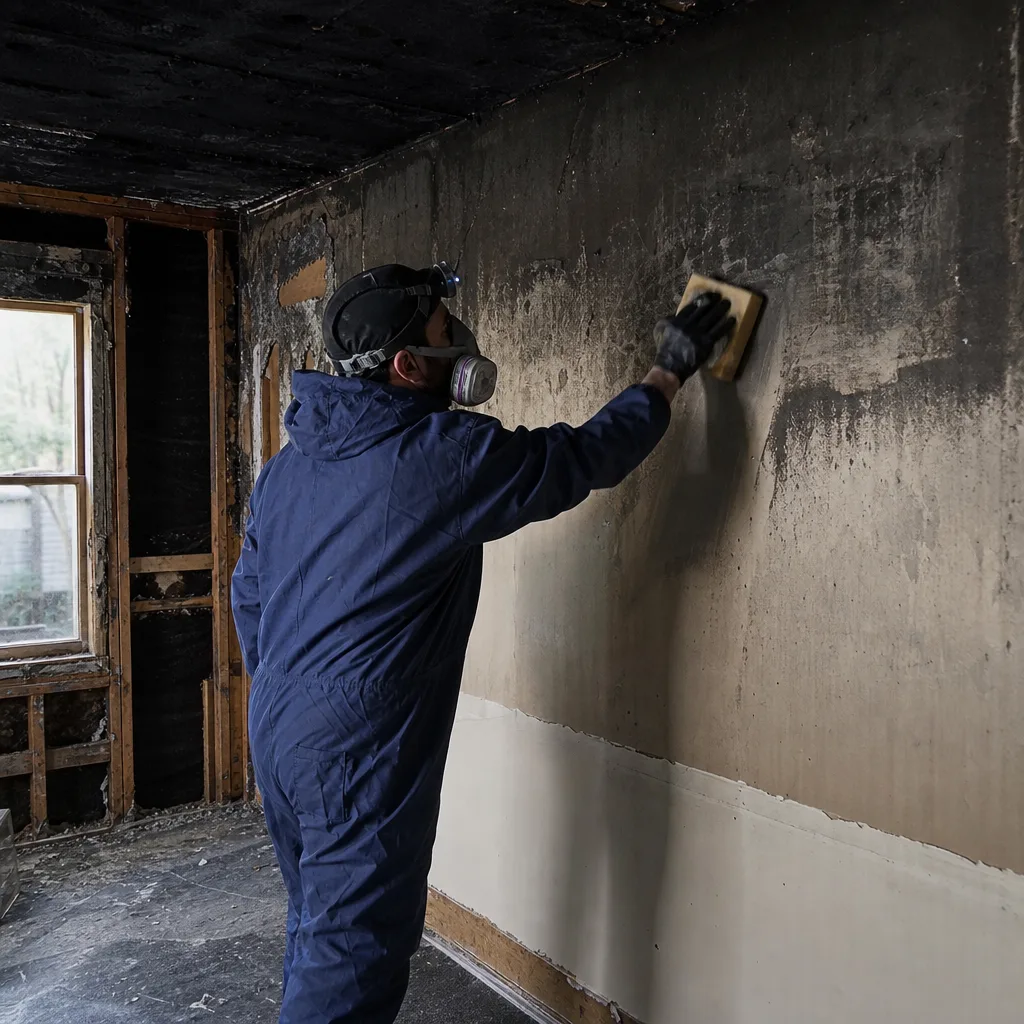
Steeply pitched, multi-valley Victorian rooflines across 55103, 55105, and 55117 catch wind and hold snow differently than a suburban ranch. After a windstorm tears shingles loose or drops a limb through a valley, water enters fast. Our roof tarping crews secure the damaged area with heavy-duty tarps, working with the roof geometry, not against it. Tarp first, dry second. That sequence has saved hundreds of plaster ceilings in Saint Paul’s older homes from collapse.
What happens when you call
- 1
A real person answersNo phone trees - you reach a local pro.
- 2
You get an upfront price rangeHonest numbers before anyone is dispatched.
- 3
A background-checked tech heads outLicensed & insured, dispatched right away.
- 4
You approve before work beginsNothing starts until you say go.
Common Storm & Disaster Restoration Problems We See in Saint Paul Homes
- Combined sewer backups in pre-1940 basements: Saint Paul’s original core (55101-55107) runs on a combined sewer that surcharges during spring snowmelt and summer storms, pushing sewage back through floor drains. That turns a water call into full Category 3 decontamination of brick and rubble-stone foundations.
- Hidden moisture in horsehair-lime plaster: A pin meter reads dry on original plaster while moisture sits 1-2 inches deep in the lime matrix, feeding mold for weeks. In Cathedral Hill and Summit Hill, every plaster-wall storm job needs extended post-remediation monitoring, not a single final reading.
- Ice dams on multi-valley Victorian roofs: Saint Paul’s freeze-thaw cycles are among the most aggressive in the continental U.S., with January lows near -15°F followed by midwinter thaws. That drives ice dams on the steep valleys of the city’s older homes, releasing meltwater into ceilings and wall cavities long after the storm passes.
- Alley-load access constraints: Row homes and townhomes in 55117 and 55119 often have tight clearance behind the house. A standard drying setup can block the only egress. We configure equipment around Saint Paul’s actual alleys and service doors, not a generic floor plan.
Pricing for Storm & Disaster Restoration in Saint Paul, MN
Here’s the square deal, in real numbers for Saint Paul’s market. Emergency board-up typically runs $450-$1,200 depending on the number of openings and access. Roof tarping on a smaller dormered Victorian starts around $600-$1,500; larger multi-valley jobs run higher. Storm damage cleanup with extraction and drying often lands between $2,500-$8,000, while a full Category 3 sewage backup in a pre-1940 basement commonly runs $6,000-$18,000 because it includes decontamination, structural drying, and often plaster removal. We offer no-hassle upfront pricing with direct insurance billing. Saint Paul homeowners get a free estimate on every call, and we always provide a written scope before any work starts. You’ll know the number before we start the work, and you’ll never play messenger between us and your carrier.
Why Saint Paul’s Pre-1940 Homes Need a Different Restoration Protocol
This is the part that gets missed by out-of-town crews. Saint Paul’s original horsehair-lime plaster registers dry on a pin meter long before the wall cavity is actually dry. The lime matrix is dense, holds moisture deep, and doesn’t give it up quickly. A crew that runs a dehumidifier for three days, sees a dry pin reading, and calls the job complete has just closed an active mold colony and walked away. We learned this in Summit Hill and Cathedral Hill years ago, and it changed how we run every plaster-wall storm job in the city. Extended post-remediation monitoring is a line item, not an add-on. That’s the difference between a restoration that lasts and a callback nobody wants.
Our crew responded to a Category 3 sewage backup in a 1912 Summit Hill home after a July cloudburst overwhelmed the combined sewer. The basement floor drain backed up through original clay tile laterals. We contained the space, ran a Dri-Eaz HEPA 500 air scrubber to control aerosolized contaminants, and removed contaminated horsehair-lime plaster from a knee wall. Then we ran Phoenix low-grain refrigerant dehumidifiers for an extra week because the lime matrix held deep moisture invisible to pin meters, before final clearance. That job took longer than a suburban split-level would have. It had to.
Trusted Brands We Service in Saint Paul
The equipment matters, and so does the certification behind the person running it. Our Saint Paul crews are trained to IICRC and RIA standards and run professional-grade Dri-Eaz, Phoenix, XPOWER, B-Air, and Injectidry systems on every job. We keep the equipment calibrated and on our trucks, not in a warehouse across town. When a Saint Paul homeowner calls at midnight with water still coming in, the rig that shows up is ready to run extraction the same visit. No waiting for a pump to arrive from a depot. That’s what live dispatch and a local fleet actually mean.
We Also Serve Cities Near Saint Paul
Our crews work every day in Storm & Disaster Restoration in Saint Paul and the surrounding communities, including West Saint Paul, Falcon Heights, Little Canada, and South Saint Paul. If you’re in one of those cities and dealing with storm damage, the same certified team, the same written pricing, and the same 90-Day Done Right Promise apply. One call covers the whole metro.
Serving Saint Paul, MN - Our Local Coverage Area
We’re based in the Saint Paul area and know this community well. Use the map below to see our service coverage - if you’re nearby, we can almost certainly help.
FAQs - Storm & Disaster Restoration in Saint Paul
Because the sewage isn’t sitting on top of the slab. In pre-1940 Saint Paul homes with rubble-stone or brick foundations and original clay tile laterals, backed-up sewage seeps into foundation crevices, saturates old-growth wood framing, and contaminates lime plaster walls that conceal moisture far longer than drywall. Carpet removal alone leaves Category 3 contamination behind, and that’s how a homeowner ends up with hidden mold and a bigger bill six months later. Call (888) 861-1852 if you’re looking at a floor-drain backup, and we’ll walk you through what full decontamination actually requires. Estimates are free.
We tarp with the roof’s geometry, not against it. Cathedral Hill’s Victorians have steep pitches, multiple valleys, and often limited ladder access from the alley. Our tarping crews secure each valley and ridge line individually, using heavy-duty tarps and proper anchoring so the tarp survives the next Saint Paul wind event. We photograph everything for your insurance file before and after. If you’re in 55103 or 55105 with exposed roof decking tonight, call us now at (888) 861-1852.
Lowertown sits near the Mississippi River in a genuine floodplain, so basement water is often overbank floodwater or combined-sewer backup, not clean rainwater. That means Category 3 treatment from the start. The basements themselves are typically rubble-stone with parged interiors that absorb water and release it slowly. Drying takes longer, the decontamination scope is bigger, and the daily moisture log matters more. A Lowertown flood job is not a carpet-and-pad swap. We run Phoenix and Dri-Eaz equipment until the stone itself hits the dry standard.
Yes. Row homes in 55117 and 55119 often have narrow wrap-around lots, shared walls, and only alley access to the rear. A standard 4×8 board doesn’t always fit the window and a standard van doesn’t always fit the alley. We cut and secure what the opening requires, and we carry materials sized for Saint Paul’s actual clearance. We board the entry point, photograph it for the adjuster, and make sure the house is secure before we leave.
Plan for ten to fourteen days minimum, and often longer for horsehair-lime plaster over rubble-stone. West Side homes in 55107 face the same freeze-thaw cycles and river-adjacent moisture load as the rest of Saint Paul, and original plaster holds water far deeper than modern drywall. A final moisture reading is not the same as a dry wall cavity. We quote the drying timeline in writing before work begins, and the 90-Day Done Right Promise covers what happens after.
Storm damage in Saint Paul doesn’t wait, and neither should you. Call (888) 861-1852 now for a free estimate and a live dispatcher who can have a certified crew on the way. We’ll be there when we say.
Written by Curt Bowman, Owner at Floodline Restoration Co. of Minneapolis, serving Saint Paul and the surrounding metro since 2010.