
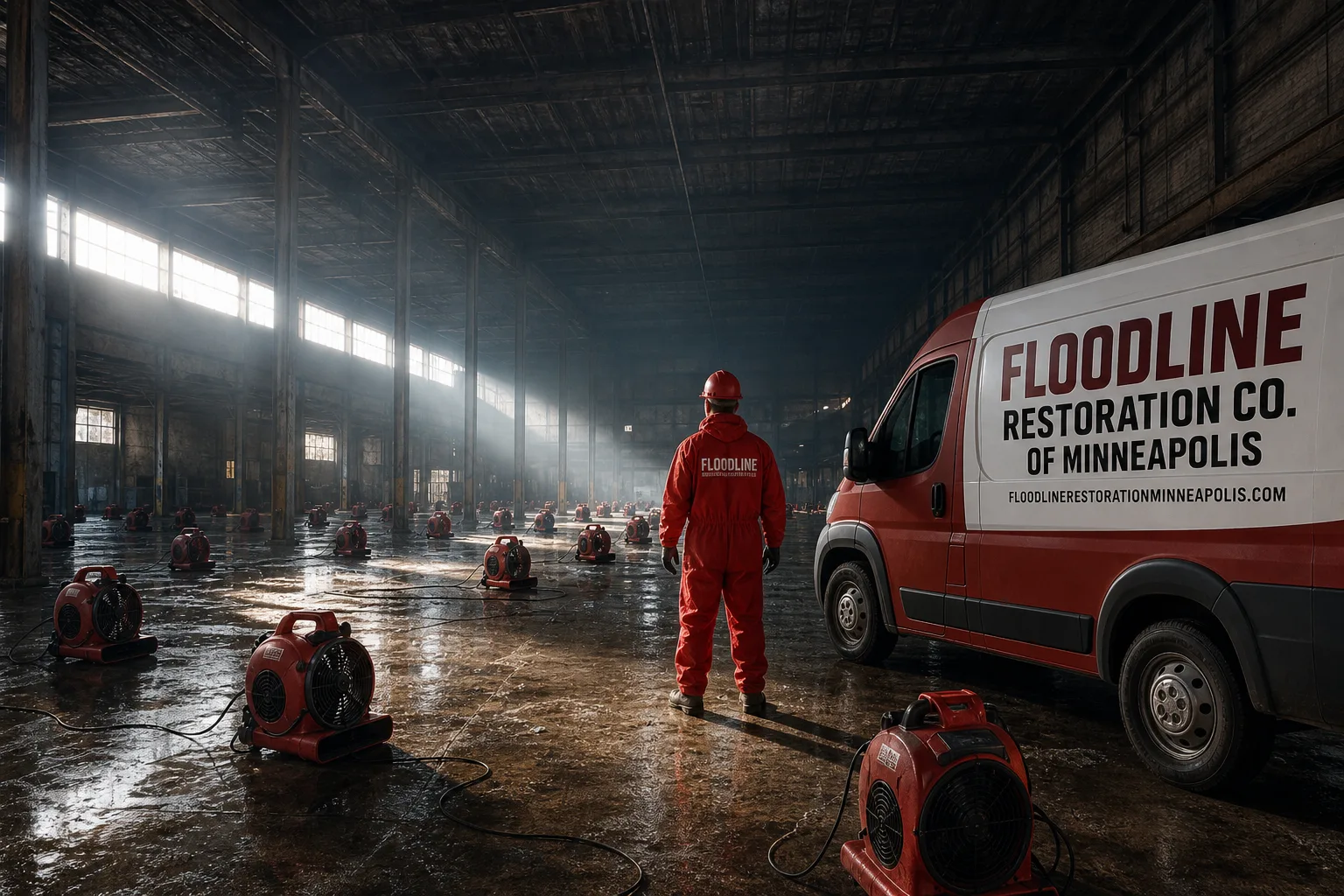
Fast, Reliable Fire & Smoke Damage Restoration Across Buffalo
When a fire hits a home in Buffalo, the damage doesn’t stop when the flames go out. Smoke and soot keep working their way into drywall, ductwork, insulation, and framing for weeks afterward. Our Fire & Smoke Damage Restoration team reaches Buffalo homes quickly, stabilizes the structure, and starts pulling smoke out of the building the same visit. Call (888) 861-1852 any hour, any day. A live dispatcher answers, not a recording, and a certified crew gets moving.
Why Floodline Restoration Co. of Minneapolis Is Buffalo’s Preferred Fire & Smoke Damage Restoration Company
Buffalo homeowners don’t want a rotating cast of subcontractors walking through a burned kitchen. They want one crew that shows up, does the job, and stands behind it in writing. That’s how we work. Floodline Restoration Co. has been built around a dispatch board, not a sales desk, since Curt Bowman founded the company in 2010, and every technician who walks into a Buffalo home is background-checked, uniformed, and trained to IICRC, RIA, and IFA standards.
We’ve handled fires in 1990s tract homes near Buffalo Lake, in early-1900s houses downtown, and in finished walkout basements along the shoreline. That range matters. A restoration crew that only knows newer construction will miss the balloon-frame wall cavities in an older Buffalo home that let smoke odor travel from basement to attic. We don’t miss them. We seal them, document them, and include them in the written scope before work starts.
Our crews run Dri-Eaz, Phoenix, XPOWER, B-Air, and Injectidry equipment on every job, with daily moisture and air-quality readings logged until the dry standard is met. And every Buffalo job carries the 90-Day Done Right Promise, our Keystone Standard, in writing. If it’s not done right, we make it right. No arguing, no paperwork battles.
Our Fire & Smoke Damage Restoration Services in Buffalo
Most Buffalo fire jobs need more than one discipline. A kitchen fire in a 1998 split-level off County Road 35 might leave soot in the HVAC ducts, charred trusses above the ceiling, and smoke-stained contents in the finished lower level. We handle the full scope with one crew and one written plan.
Fire Damage Cleanup
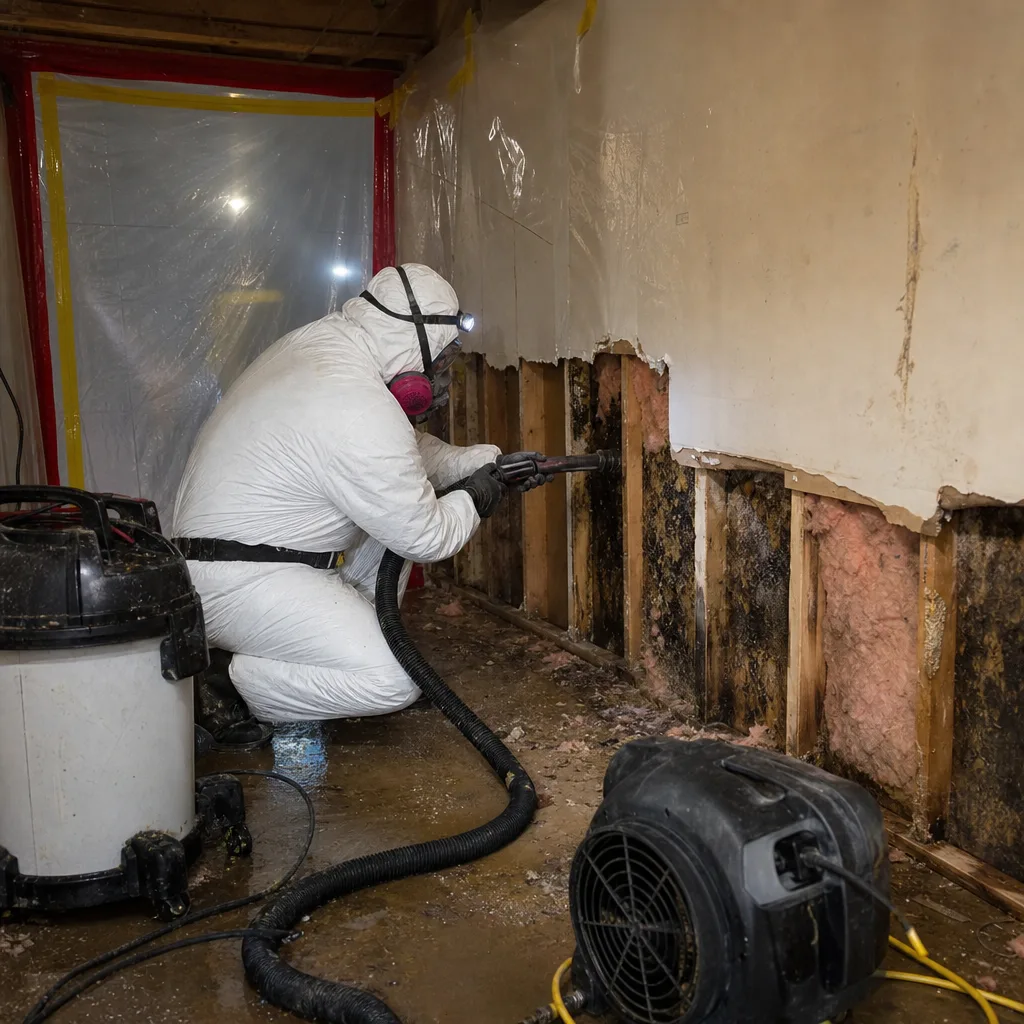
Charred framing, burned drywall, melted wiring, and water-soaked flooring from the fire department’s hose work all come out in the first pass. We cut back damaged material to sound structure and document everything with photos for your carrier. Buffalo homes from the 1990s surge era often have open floor plans, which means soot traveled farther than the visible burn area suggests. We treat the whole envelope, not just the blackened corner.
Smoke & Soot Removal
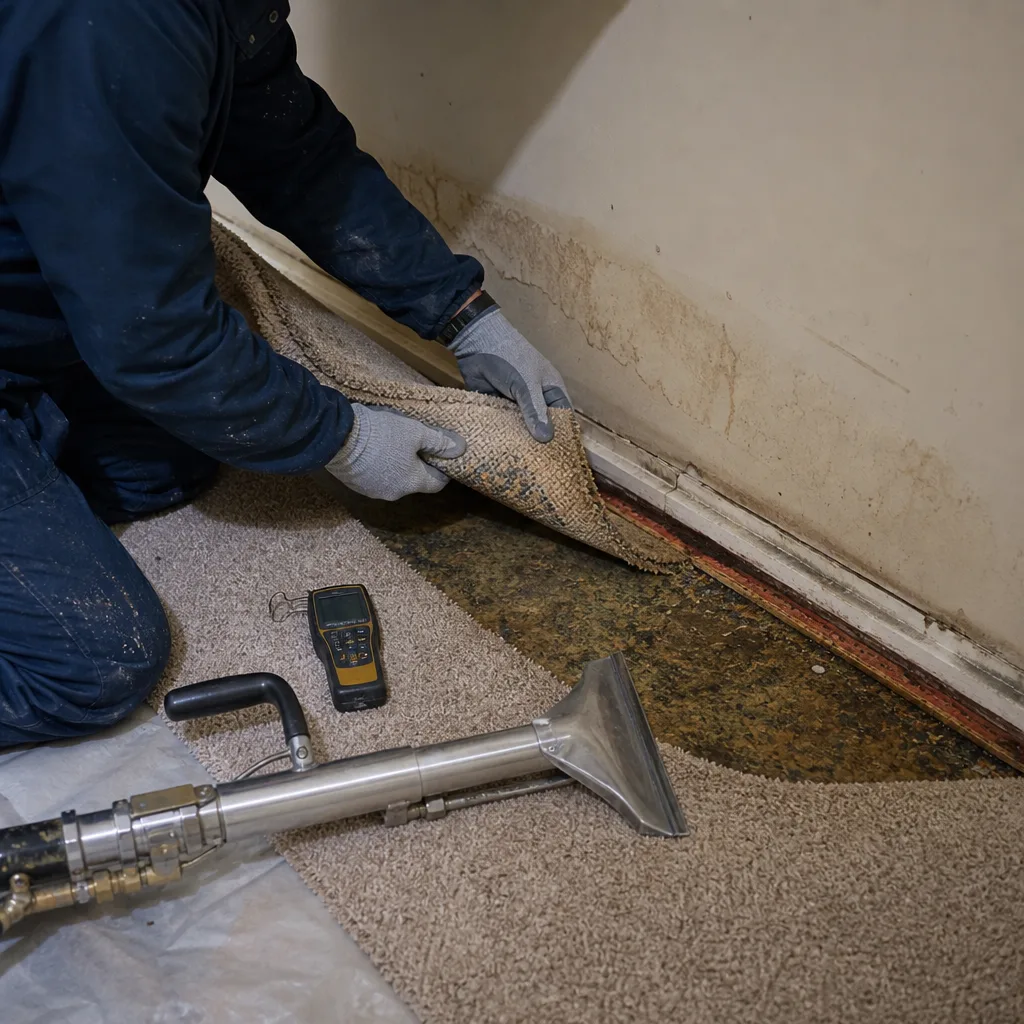
Soot is acidic. Left on painted walls, metal fixtures, and appliance surfaces in a Buffalo home, it etches finishes within days and leaves permanent staining. We use HEPA vacuums and dry-chem sponges first, then wet-clean painted and sealed surfaces with the right detergents for the substrate. In older downtown Buffalo houses with plaster walls, we adjust the chemistry so we don’t damage the original finish.
Odor Removal & Deodorization
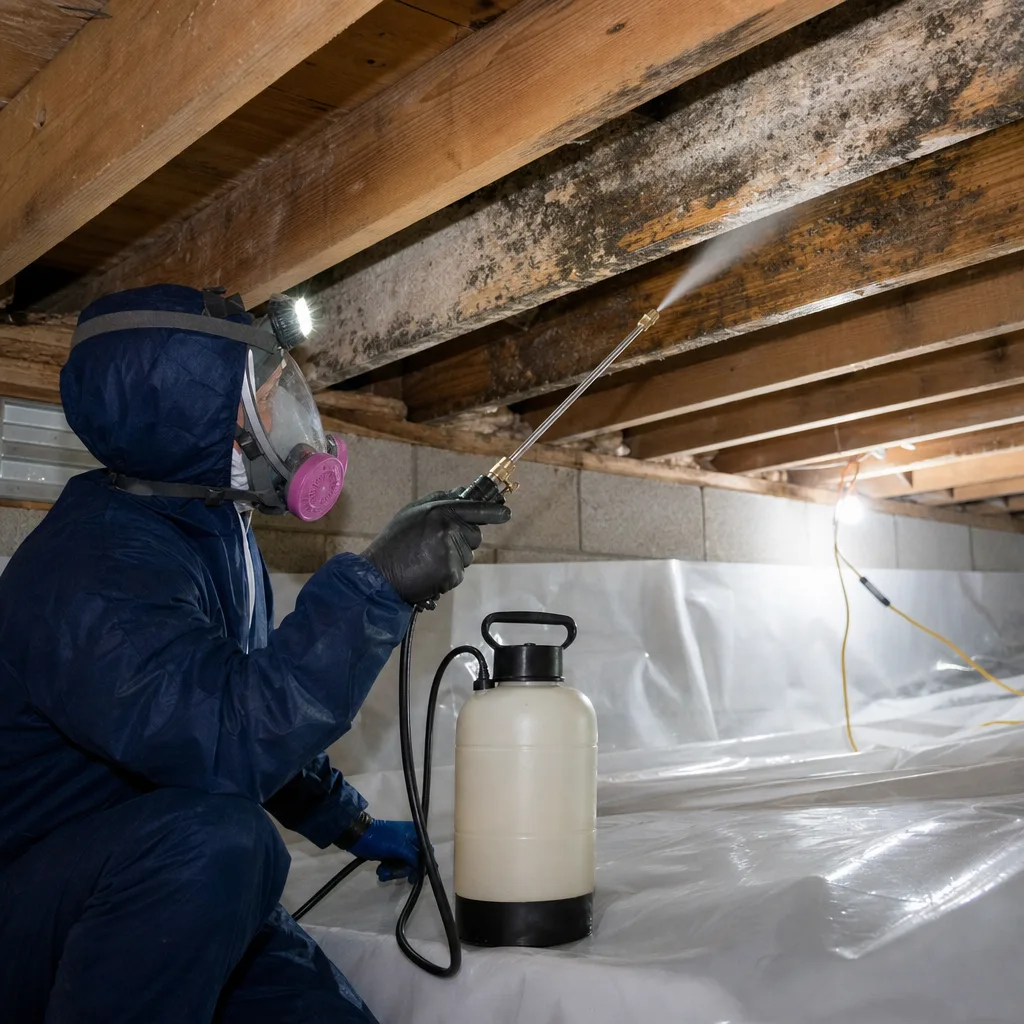
This is the part homeowners fear most: the smell that comes back in August when the humidity rises and the furnace kicks on. Our crews run Dri-Eaz hydroxyl generators and HEPA air scrubbers in Buffalo homes until air samples read clean, not just until it smells okay. For homes with central air off the 1990s tract-home boom, we fog the duct runs and replace the filter media before sealing the returns. The goal is no return of the odor.
Contents Cleaning & Pack-Out
Smoke gets into everything: the quilts in the hall closet, the Christmas boxes in the storage room, the clothes hanging in upstairs bedrooms. Our contents team inventories, packs out, cleans, and stores Buffalo homeowners’ belongings, then returns them only after the structure is clean and the air tests pass. We work directly with your adjuster and bill the carrier directly so you never play messenger.
What happens when you call
- 1
A real person answersNo phone trees - you reach a local pro.
- 2
You get an upfront price rangeHonest numbers before anyone is dispatched.
- 3
A background-checked tech heads outLicensed & insured, dispatched right away.
- 4
You approve before work beginsNothing starts until you say go.
Trusted Brands We Service in Buffalo
Buffalo homeowners running Dri-Eaz dehumidifiers, Phoenix air movers, or Injectidry drying systems after a fire-and-water combination job get the same equipment our crews use daily. We service these units in place where possible and stock common replacement filters, belts, and sensors for fast turnaround in Buffalo’s 55313 zip code. If a rental unit from another company failed halfway through the dry-down, we can either swap in our own gear or repair the unit on site. Our techs are trained to IICRC and RIA standards, so the equipment gets handled by people who understand what it’s supposed to do.
Common Fire & Smoke Damage Restoration Problems We See in Buffalo Homes
- Ice-dam charring in low-pitched 1990s rooflines. Wright County’s January thaw-freeze cycles push meltwater under shingles on the shallow-pitch roofs common in Buffalo’s subdivisions. Water soaks the insulation, heat from the attic space dries the top layer, and the smolder can go unnoticed for weeks. By the time the smoke smell surfaces, trusses are charred and structural repair is required.
- Soot in HVAC ducts after an open-floor-plan fire. Buffalo homes built in the late 1990s and early 2000s were designed for airflow between kitchen, dining, and living areas. A kitchen fire pulls smoke through that open volume and into the return ducts, spreading soot to every room. Standard cleaning without duct fogging leaves a burnt-air odor every time the furnace runs.
- Balloon-frame smoke channels in older downtown Buffalo homes. The early-1900s houses near downtown Buffalo often have wall cavities that run continuously from basement to attic. A first-floor fire sends smoke up those cavities, and if they aren’t sealed, the odor persists on every floor. Some estimators skip cavity access as too invasive; skipping it is why the restoration fails.
- Hydrostatic pressure complicating fire-and-water jobs near Buffalo Lake. When a fire crew uses water to suppress a blaze in a lake-adjacent home, that water joins the groundwater already pressing against foundation walls. Restoration techs in Buffalo routinely handle charring above grade and water intrusion below grade in the same job. The two problems move at the same speed.
Pricing for Fire & Smoke Damage Restoration in Buffalo, MN
In Buffalo’s market, expect a small kitchen fire cleanup with soot removal and deodorization to land between $2,800 and $5,500. A whole-house smoke event requiring duct fogging, contents pack-out, and structural cleaning typically runs $7,000 to $15,000 depending on square footage and the number of floors affected. Structural fire repair, such as charred truss replacement over a low-pitched 1990s roof, starts around $4,000 and can reach $20,000+ when ridge boards, sheathing, and insulation all come out.
What moves the number: how far soot traveled, whether ducts need lining or fogging, how much framing is charred, and whether contents need off-site cleaning. We write a fixed scope for every Buffalo job before work begins, so the number doesn’t move on you later. Call (888) 861-1852 for a free estimate. We bill your carrier directly.
We Also Serve Cities Near Buffalo
Our crews run fire and smoke restoration in Monticello, Saint Michael, Delano, and Albertville as well as Buffalo. If you’re in a neighboring Wright County town and the smell from a small fire won’t leave, call (888) 861-1852 and ask for a same-day assessment.
Serving Buffalo, MN - Our Local Coverage Area
We’re based in the Buffalo area and know this community well. Use the map below to see our service coverage - if you’re nearby, we can almost certainly help.
FAQs - Fire & Smoke Damage Restoration in Buffalo
Yes. The shallow roof pitch on 1990s Buffalo tract homes is prone to ice-dam seepage that soaks insulation and can smolder into a slow-burn fire, while the older downtown homes have balloon-frame wall cavities that carry smoke vertically through the house. A restoration crew has to know both failure modes to do the job right. Call (888) 861-1852 and ask about our structural assessment for either housing type.
Yes. We fog the supply and return ducts, replace the filter media, and run HEPA air scrubbers at the returns until air samples come back clean. This is essential on Buffalo homes with central air because soot that settles in the ductwork recirculates into every room every time the blower runs. Estimates are free at (888) 861-1852.
The charred material gets cut back to sound wood or masonry, then the foundation and sill plate are assessed for any water intrusion that came in during fire suppression. Near Buffalo Lake, hydrostatic pressure is already pushing against the walls, so firefighting water makes a bad situation worse if it isn’t removed fast. We write the structural scope and bill your carrier directly. Call (888) 861-1852 for a foundation and sill assessment.
Yes. Our contents team inventories, packs, cleans, and stores items from finished walkout basements in Buffalo, including lake-facing lower levels in the 55313 zip code. We don’t return items until the structure tests clean and the air readings pass, so the smoke doesn’t re-contaminate what we just cleaned. To schedule a pack-out, call (888) 861-1852.
If the insulation is charred, wet from firefighting water, or has been smoked through, it needs to come out. Soot particles trapped in fiberglass or cellulose will keep releasing odor for years, and sealing over them doesn’t work. On a Buffalo 1990s home with low-pitched rooflines, we also check for the ice-dam leak that may have started the smolder in the first place. Call (888) 861-1852 and we’ll tell you honestly what needs replacing and what can stay.
Written by Curt Bowman, Owner of Floodline Restoration Co., serving the Buffalo, MN area with full-cycle fire and smoke damage restoration.